On Tuesday, PETA supporters in front of Johnston Gate, near the office of Harvard University President Lawrence S. Bacow, will show giant photos of the baby monkeys torn from their mothers and used by Harvard Medical School’s Margaret Livingstone for gruesome sensory deprivation procedures, along with signs that read, “Harvard: Shut Down Baby Monkey Lab Now!”
When: Tuesday, March 7, 12 noon
Where: Johnston Gate, Harvard Yard entrance at Peabody Street, Cambridge
“Livingstone’s pointless experiments produce nothing but terror for infant monkeys, who are stolen from their mothers and deprived of any face-to-face contact,” says PETA Senior Vice President Kathy Guillermo. “PETA is urging Harvard to shut down Livingstone’s twisted ‘studies’ and retire these fragile primates to reputable sanctuaries.”
PETA first exposed Livingstone’s experiments, in which she steals baby monkeys from their mothers and sews their eyes shut in depraved sensory deprivation tests. Since then, nearly 400 scientists have joined the organization in urging Harvard to shut down her shop of horrors.
PETA—whose motto reads, in part, that “animals are not ours to experiment on”—opposes speciesism, a human-supremacist worldview.
To encourage empathy for animals who are mutilated and killed in university laboratories, PETA will visit Loyola and Tulane universities today to launch Abduction—a unique virtual reality experience that’s landing on college campuses across the country. In the eerie experience, visitors will enter a mysterious truck and put on a virtual reality headset. They’ll seemingly find themselves stranded in the desert with a couple of fellow humans, abducted by aliens, taken aboard a spaceship, and subjected to a terrifying experience similar to what animals endure in laboratories. They’ll watch as others are subjected to experiments—inspired by real tests done on animals—knowing that they’ll be next.
When: Friday, March 3, 1–4 p.m.
Where: 6363 St. Charles Ave. New Orleans
Watch the trailer here. Broadcast-quality footage of the Abduction virtual reality experience is available upon request.
At Tulane, experimenters removed infant monkeys from their mothers within 24 hours of birth, infected them with a virus that causes chronic and deadly disease, and repeatedly injected them with drugs. They suffered from diarrhea, weight loss, severe colon inflammation, and brain lesions before being killed. Other experimenters injected monkeys with an experimental vaccine that caused them to develop neurological dysfunction, tremors, decreased appetite, weight loss, pallor, paralysis, seizures, and distress before they were killed. In another study, experimenters created lesions in dogs’ hearts by burning or freezing the tissue repeatedly for seven weeks before killing them and removing their hearts. In one incident at Tulane University, a young monkey died after being forgotten for nearly 22 hours in a vehicle. Just last month, PETA filed a complaint with the National Institutes of Health after a monkey’s head became trapped between a metal bar and the ceiling of a cage, causing the animal to suffocate to death.
“Many students don’t know that on their own college campuses, frightened and confused animals are being tormented, mutilated, and killed in cold, barren laboratories, with no way to escape or even understand what’s happening to them,” says PETA Senior Director Rachelle Owen. “PETA is on a mission to open young people’s eyes to this cruelty, help them understand what it feels like, and motivate them to join our call for a switch to superior, non-animal research.”
Abduction—which was filmed in VR180 with assistance from the virtual reality creation studio Prosper XR—has stopped at several other college campuses across the country.
PETA—whose motto reads, in part, that “animals are not ours to experiment on”—opposes speciesism, a human-supremacist worldview. For more information on PETA’s investigative newsgathering and reporting, please visit PETA.org, listen to The PETA Podcast, or follow the group on Twitter, Facebook, or Instagram.
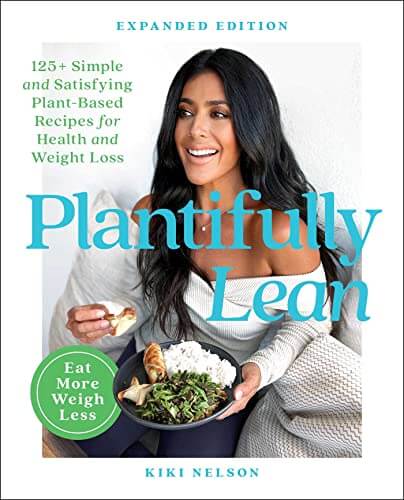
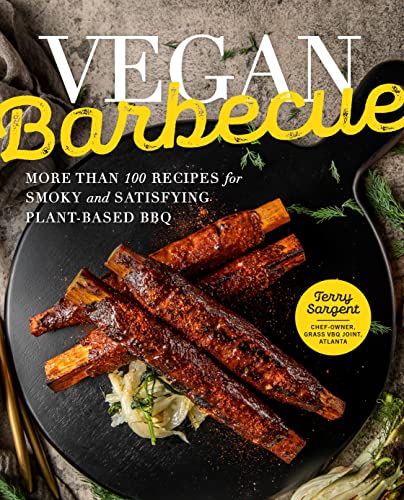
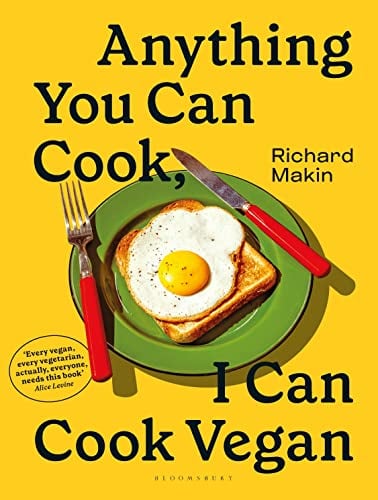
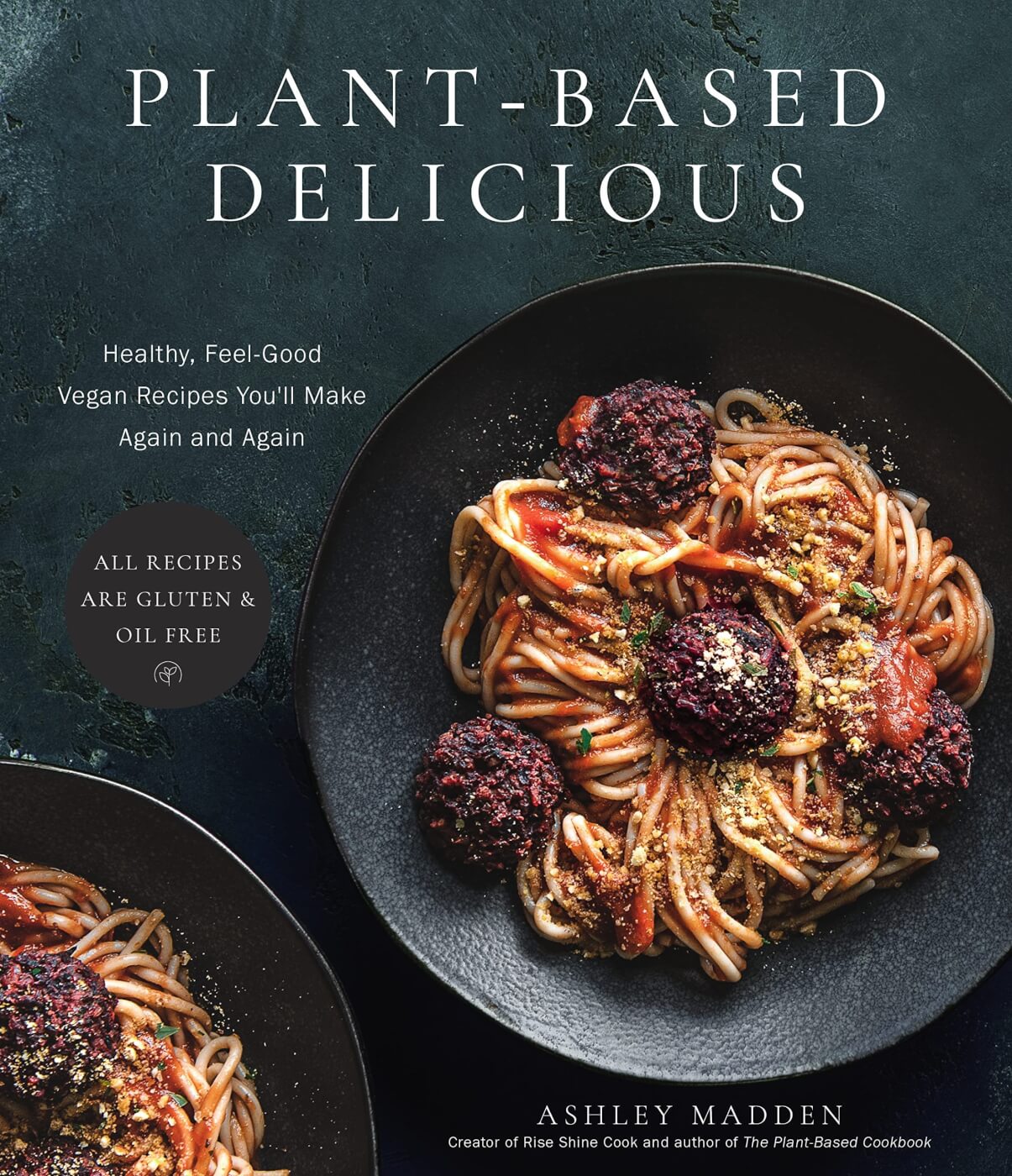
Saving animals in 2023 starts in the kitchen. Thankfully, tons of new vegan cookbooks are already lining the shelves of your favorite bookstore, so you’ll be sure to find inspiration for meals every day of the year. Here are some we’re looking forward to trying:
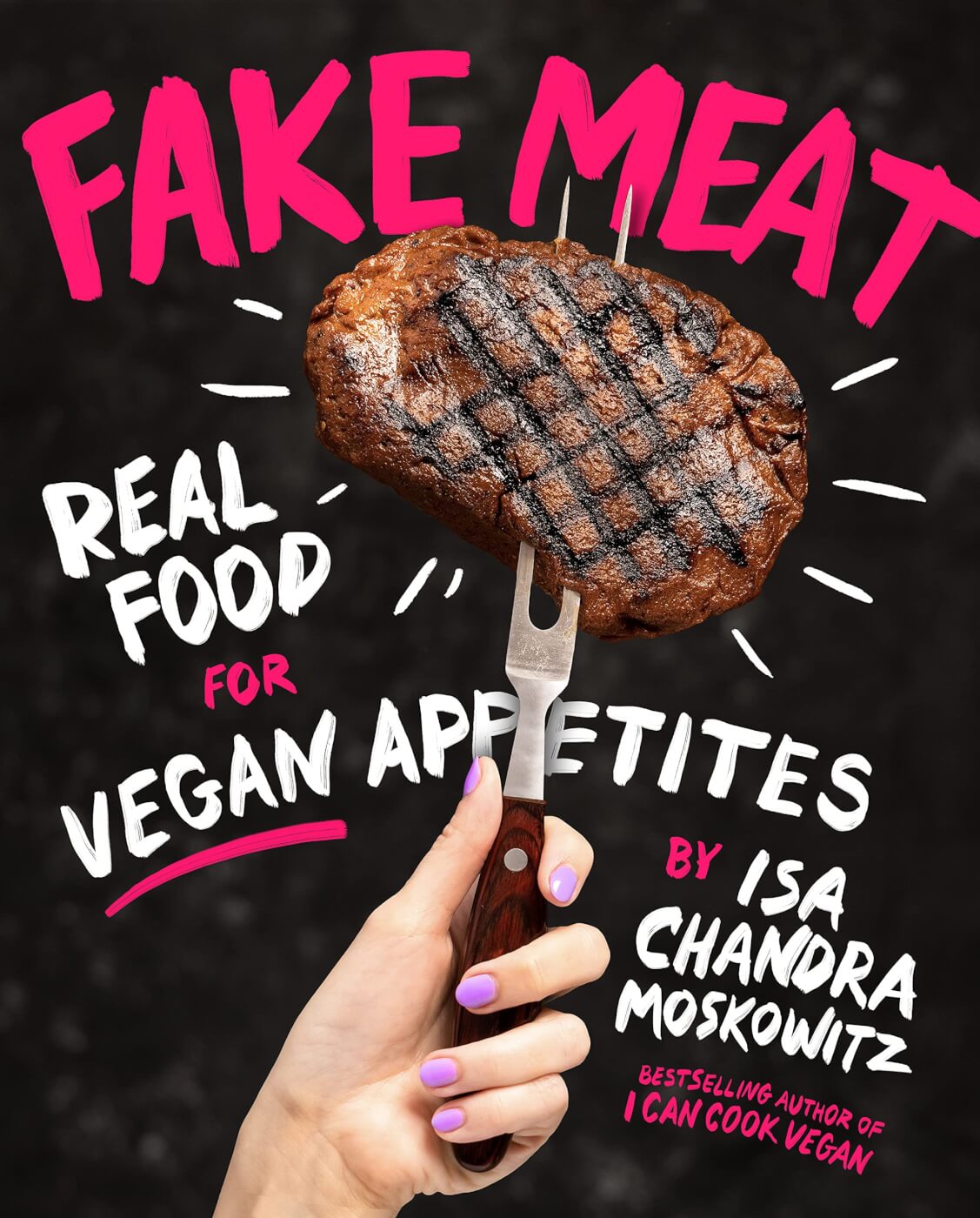
Vegan chef Isa Chandra Moskowitz is back with yet another stunning vegan cookbook, and this one is all about making, preparing, and cooking vegan meats. Recipes like Smoked Beet Cuban Sandwiches and Buttermylk Fried Chick’n are packed with flavor and made with ingredients that don’t harm animals.
Ana Rusu brings a modern twist to some classic dessert recipes, with new techniques to help home bakers become more confident in the kitchen without using eggs from curious chickens or milk from caring cows.
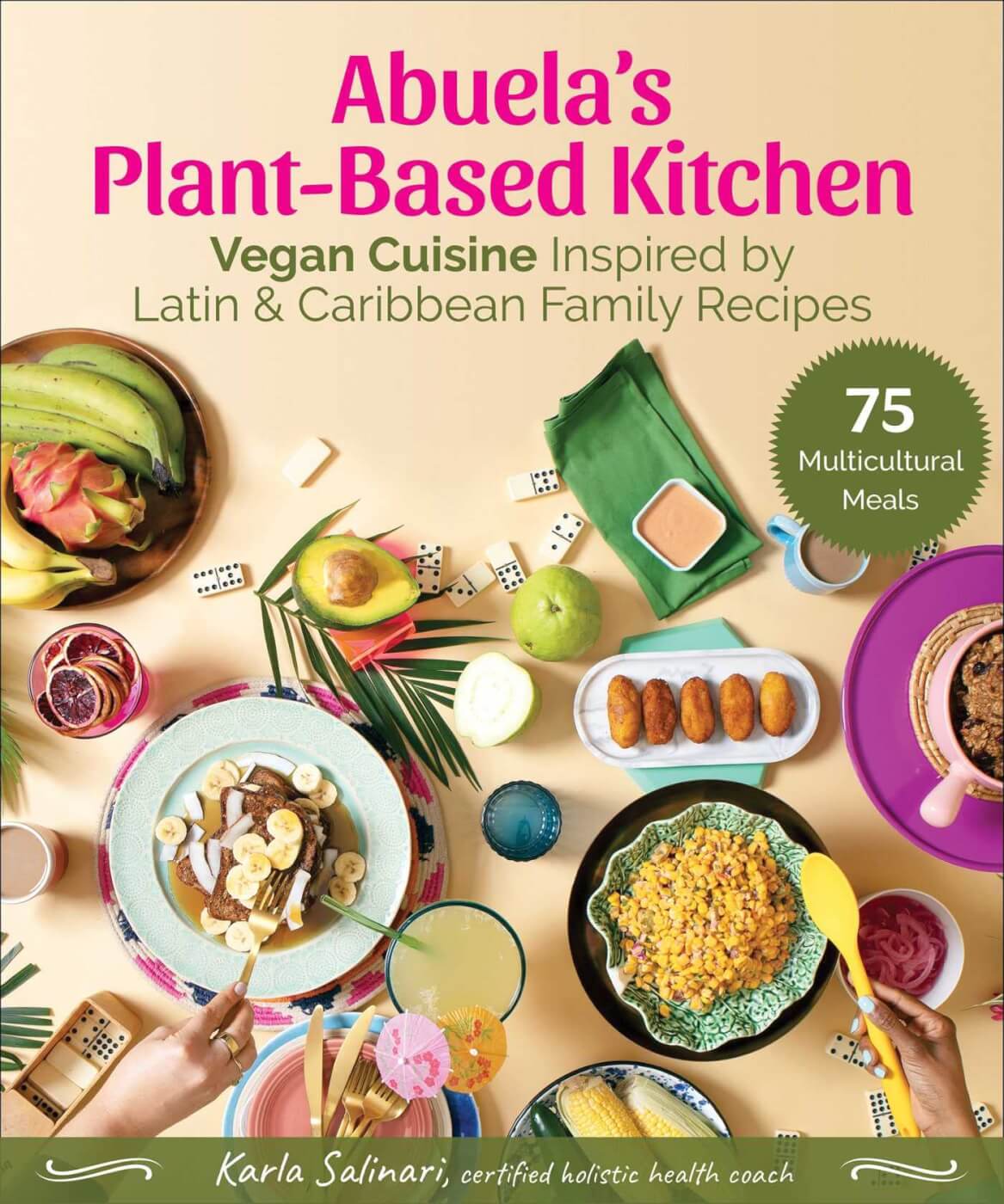
Can comfort food be healthy and still flavorful? Of course! This cookbook features nutritious, delicious vegan versions of comfort favorites like Classic Jambalaya and Caribbean Rice and Beans.
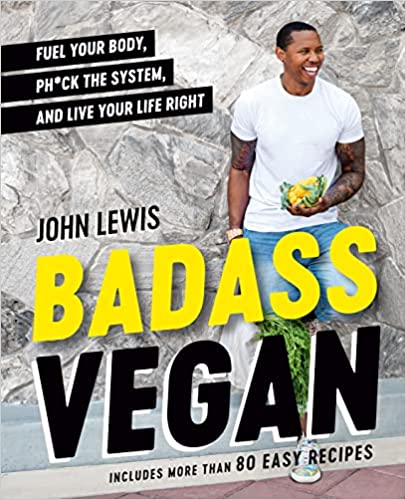
Fitness expert John Lewis brings us more than 80 new recipes, along with tips for going vegan, getting healthier, and having a positive impact on the world.
This colorful cookbook from singer and artist Denai Moore is a celebration of Jamaica with a modern vegan twist. Recipes, ranging from French toast to “Oxtail” gravy, are interspersed with stories from Moore’s childhood in Jamaica.
The Buddhist Chef’s third cookbook focuses on comforting meals meant to be enjoyed and shared with those you love—whether during a weeknight dinner or a weekend party.
Lauren Boehme of the Rabbit & Wolves blog impressed us with her first book, Southern Vegan (published under the name Lauren Hartmann), and now she’s back for a second round with this new cookbook full of her iconic comfort food creations.
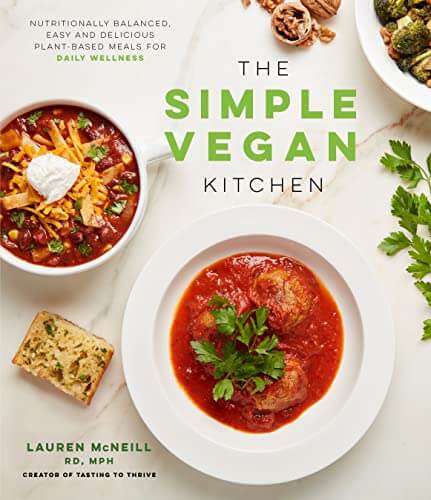
Keeping it simple is the name of the game for registered dietitian and author Lauren McNeill. This book features simple, nutrient-dense vegan recipes for healthy and satisfying daily meals.
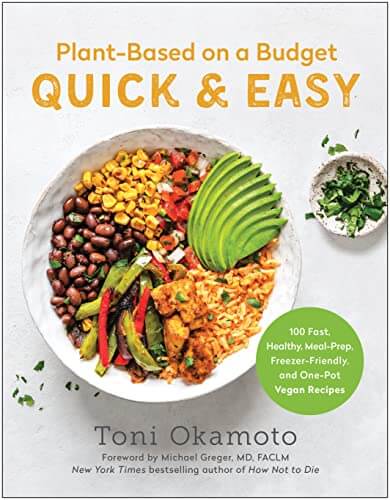
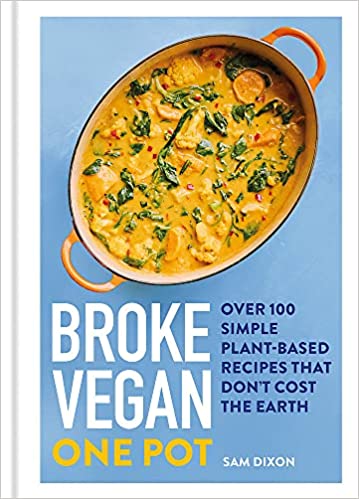
Simplify your cooking with these recipes for inexpensive one-pot meals that are as delicious as they are affordable—plus, they help protect animals and the environment.
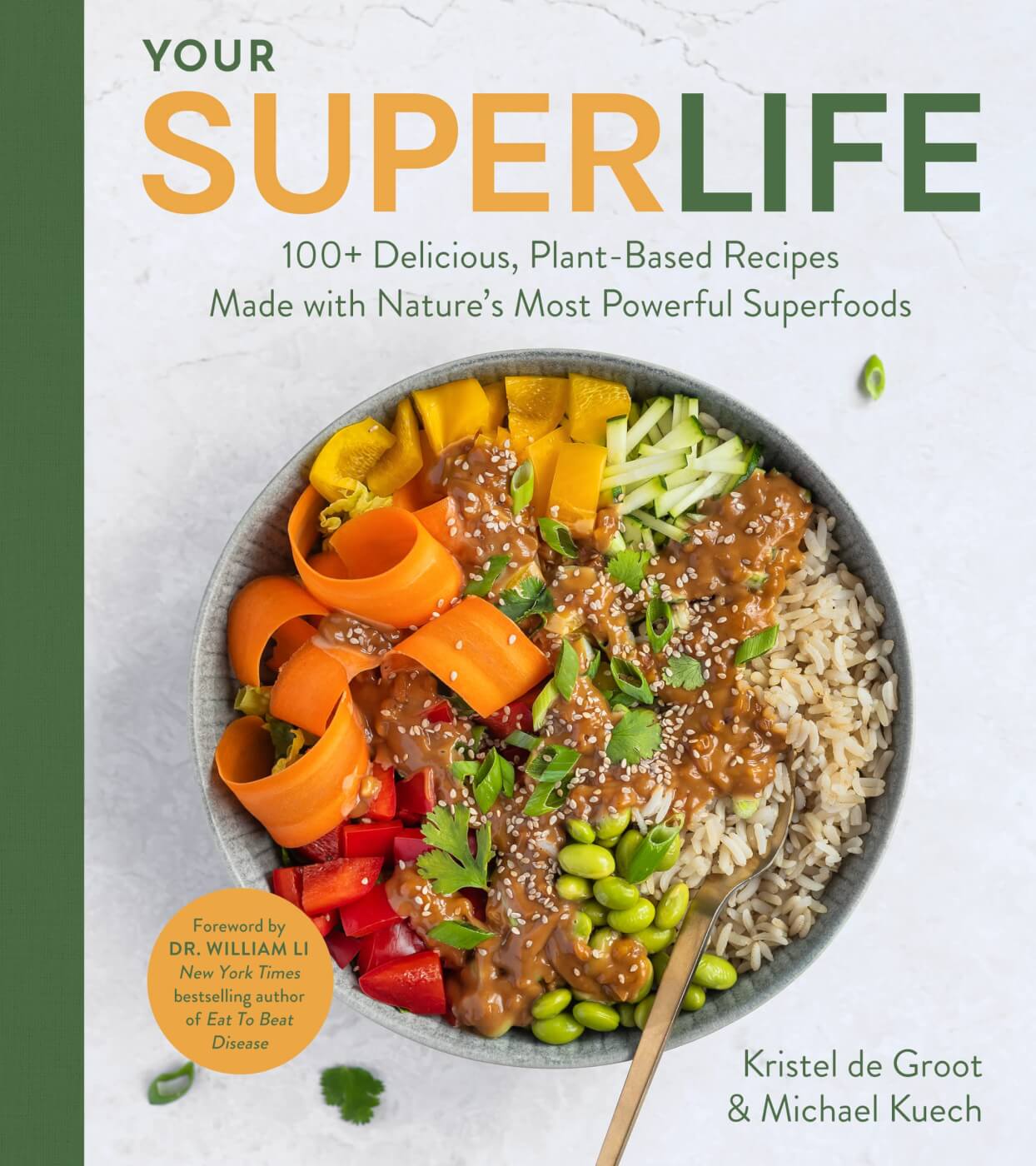
Superfoods can help you feel your best and be your healthiest self, and this cookbook helps you incorporate them into your daily routine with many recipes for delicious meals.
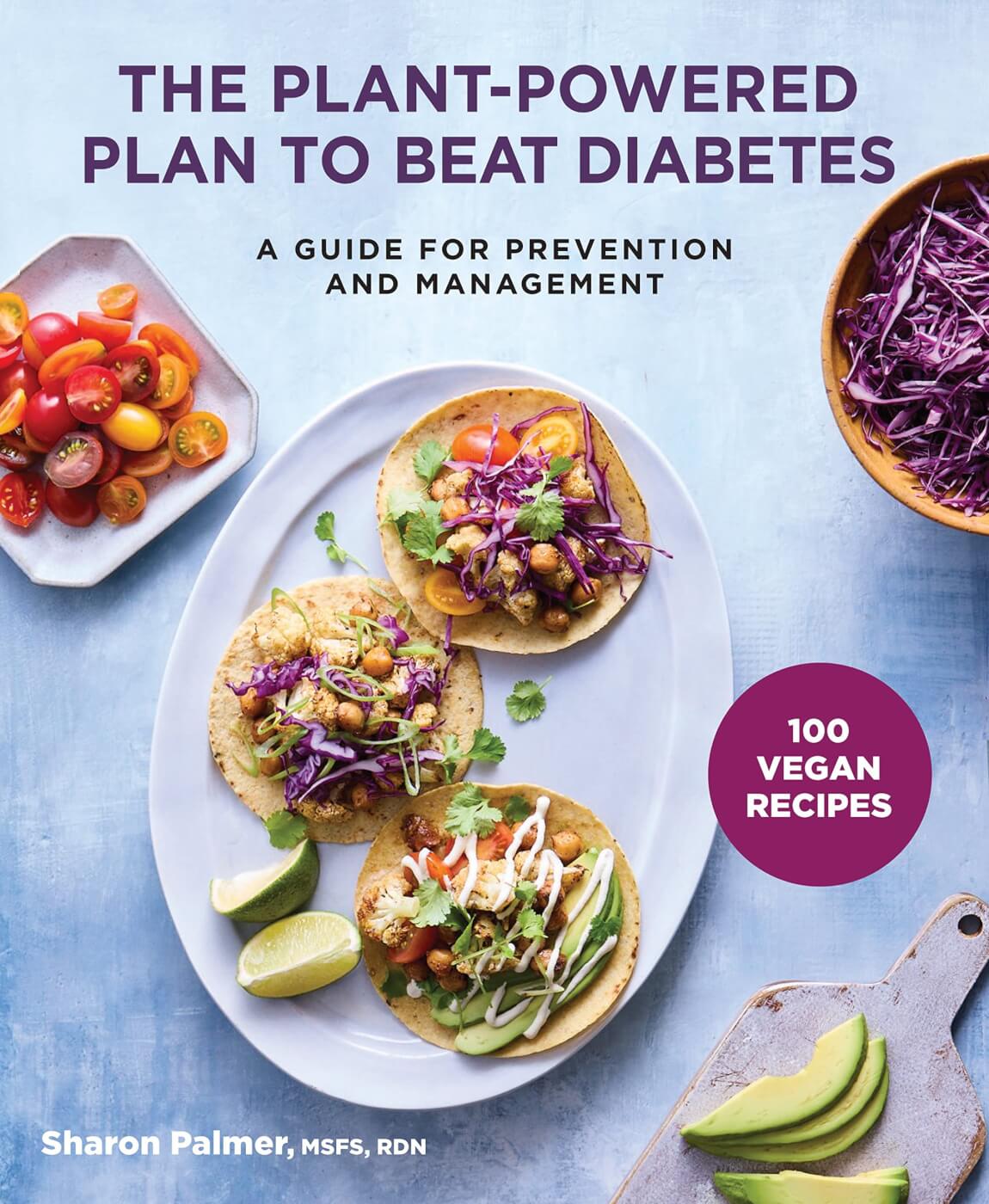
Going vegan has been proved to help prevent and treat type 2 diabetes, and this cookbook is full of recipes that can help manage diabetes and promote general health.
As an Amazon Associate, PETA earns from qualifying purchases. If you buy something after clicking the Amazon links on this page, a percentage of the qualifying purchase will be donated to PETA and help us protect more animals from exploitation.
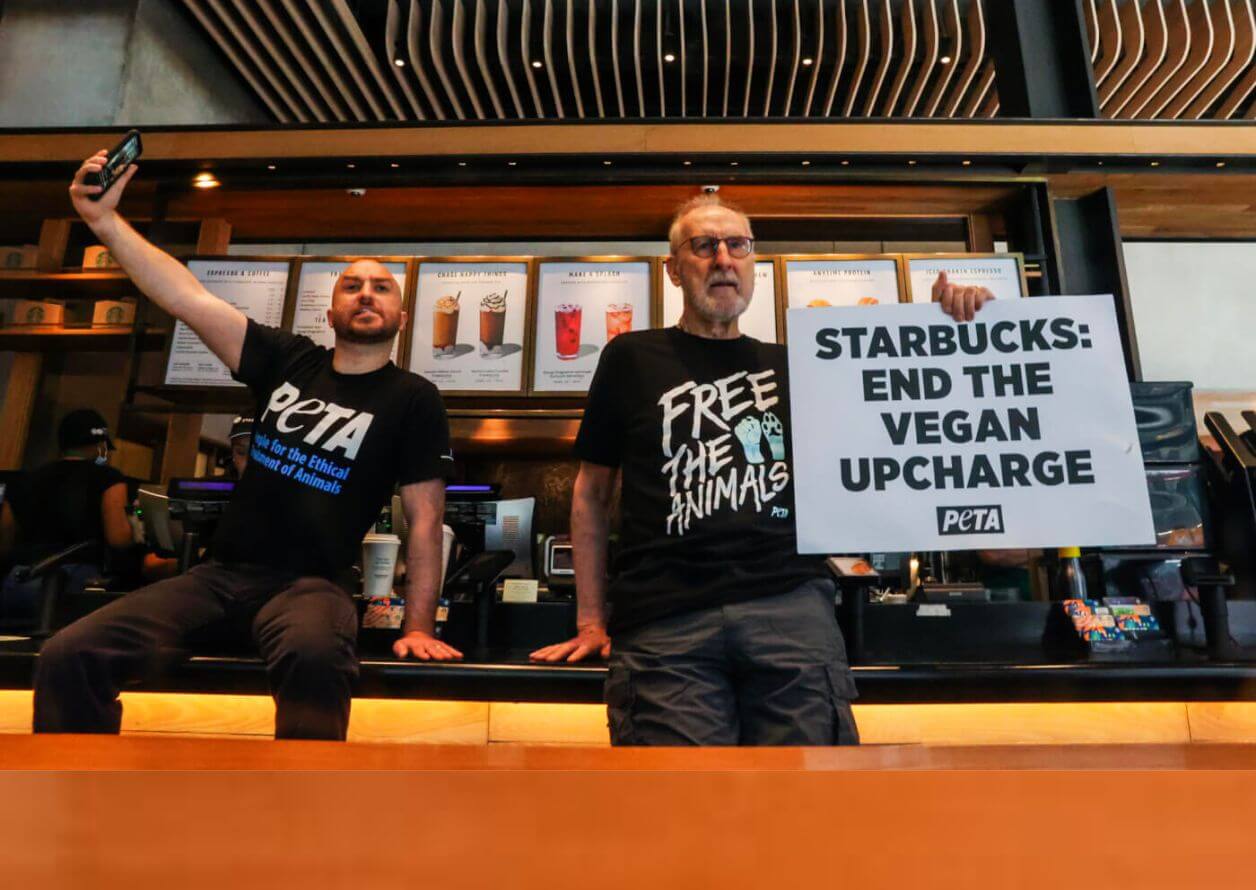
Compassionate coffee lovers across Germany can now enjoy a Starbucks drink that’s better for animals, the environment, and their own health without being charged extra for oat, almond, soy, or coconut milk. In 2022, Starbucks France and Starbucks U.K. also dropped the surcharge, and other stories in China, India, and elsewhere offer dairy-free options at no additional cost.
Even though Starbucks agrees that vegan milks are better for the planet—and has even admitted that dairy is the biggest contributor to its carbon footprint—it still charges up to 80 cents more to use vegan milk instead of cow’s milk at its U.S. stores and other locations around the world.
Customers shouldn’t be punished for making a compassionate choice, and if you’re lactose intolerant (as many folks are, especially people of color), you have to skip dairy to avoid getting sick.
Join PETA in taking action: Remind Starbucks that folks in the U.S. don’t want to pay extra to avoid a morning cup of cruelty.
Tell Starbucks that soy, oat, almond, and coconut milk shouldn’t cost a cent more than their dairy counterpart, which is cruel to cows, exacerbates the climate catastrophe, and is indigestible to many humans:
Global progress to end experiments on animals! PETA scientists have joined a coalition of manufacturers, animal protection organizations, and international government agencies to stamp out all tests on animals for cosmetics and personal-care products. The coalition, officially named the International Collaboration on Cosmetics Safety, or ICCS, has a mission to advance the adoption of non-animal testing methods through research, education, and regulatory engagement.
New companies join the ICCS nearly every month, with many big hitters—including Unilever, a company working for regulatory change and boasting 31 PETA-approved brands under its umbrella—already involved.
The ICCS is open to the following:
Companies engaged in the manufacture of cosmetics products or ingredients
National or regional associations that represent the interests of the cosmetics industry
Nongovernmental organizations, government regulators, and other parties engaged in promoting human-relevant, animal-free test methods
Even though thousands of companies have banned all tests on animals for cosmetics and their ingredients, some countries—including China and the 27 member states of the European Union—still require such tests for ingredients or products in some circumstances. By collaborating with the ICCS, PETA scientists are working to advance the acceptance of non-animal methods worldwide for safety assessment purposes.
The ICCS is bringing together experts who are at the forefront of developing, evaluating, and using animal-free approaches for regulatory safety assessments. PETA scientists stand ready to serve as go-to experts as project planning gets underway, continuing and expanding dialog with regulators and offering to help with education and training initiatives.
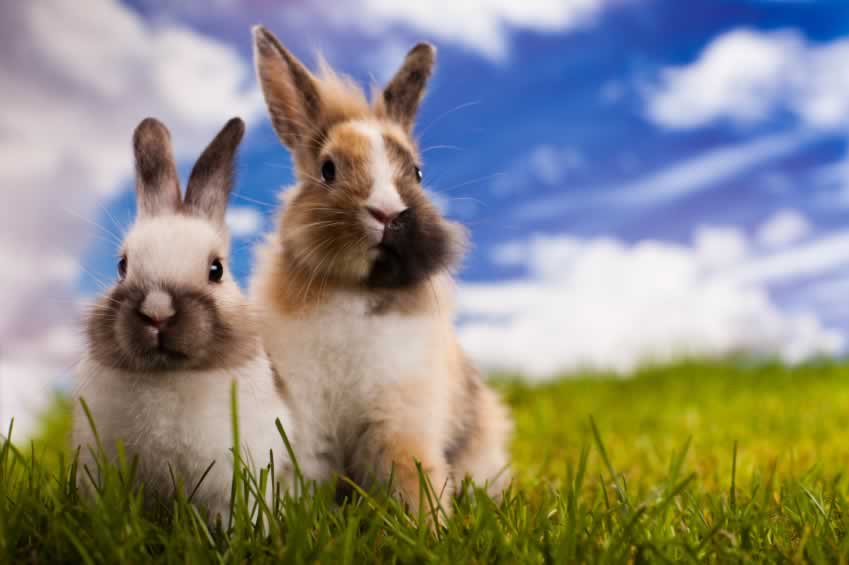
Beauty Without Bunnies: Do Your Part by Shopping for Cruelty-Free Products
Our list of companies and brands that don’t test on animals is used by millions of consumers as an essential resource when shopping for personal-care products, and we want you to use it, too. Before you shop, always make sure that the products you’re choosing are from the more than 5,300 companies in our Global Beauty Without Bunnies searchable database:
In laboratories, conscious, feeling rabbits, guinea pigs, mice, rats, and other animals are subjected to excruciating experiments and a lifetime of suffering before they’re killed. Join PETA in working to end all tests on animals:








 (@starbucksde)