Local Event: PETA Hosts Magical Award Ceremony (PHOTOS)

Yesterday evening, PETA President Ingrid Newkirk, along with other PETA senior staffers and key supporters, including Miami-based CNN en Español journalist María Celeste Arrarás (a past winner of PETA’s Humanitarian Award), gathered at the Broward Center for the Performing Arts for a magic-themed event celebrating PETA’s animal rescues—including following the earthquakes in Turkey and during the war in Ukraine—and landmark achievements in animal protection. In the event’s highlight, locally based philanthropist and honorary director of PETA Nanci Alexander presented the 2023 Nanci Alexander Activist Award—one of PETA’s highest honors—to animal hero John Scheib in recognition of his exceptional work to end horse racing subsidies. Photos are available here.

Acoustic guitarist Tony Cruz serenaded attendees, who included Univision reporter Xiomara González-Govea. Guests mingled as they snacked on specialty vegan hors d’oeuvres, such as crispy fried oyster mushroom tempura and Gardein “fish” tacos, as well as made-to-order desserts from the cruelty-free cookie dough station. Daring tales of PETA’s animal rescues were celebrated with a specialty cocktail called “The Great Escape,” made with color-changing Empress 1908 Gin.

“Everyone helped pull the radish out of the hat for this enchanting evening honoring animal heroes, celebrating recent victories, and stoking excitement for what’s ahead,” says PETA President Ingrid Newkirk. “PETA is delighted that everyone was able to come together and looks forward to waving a wand for animal rights alongside our kind supporters for years to come.”

A Fort Lauderdale powerhouse, Alexander founded the Animal Rights Foundation of Florida in 1989, when animal rights was still a new idea to many. She was among the first to spark debate over SeaWorld’s confinement of orcas and other marine animals and was behind Florida’s pig gestation-crate ban. She is honored at PETA’s Washington, D.C., headquarters, The Nanci Alexander Center for Animal Rights. The Nanci Alexander Award is presented annually to a compassionate individual whose commitment to animal rights is helping to change the world and move PETA’s vital work for animals forward.

PETA—whose motto reads, “Animals are not ours to experiment on, eat, wear, use for entertainment, or abuse in any other way”—opposes speciesism, a human-supremacist worldview. For more information, please visit PETA.org, listen to The PETA Podcast, or follow the group on Twitter, Facebook, or Instagram.

The post Local Event: PETA Hosts Magical Award Ceremony (PHOTOS) appeared first on PETA.
‘Monkey Business’ at Whole Foods Has PETA Dumping Coconuts at Store Headquarters

Because Whole Foods is selling coconut milk from Thailand—including through its own 365 brand—even though PETA Asia investigations reveal that monkeys in that country are caged, kept in isolation, chained for life, and trained through fear of punishment to pick coconuts, PETA “monkeys” will launch a new international campaign by dumping wheelbarrows full of humanely picked coconuts outside Whole Foods’ world headquarters in Austin. The action follows PETA’s successful campaign against HelloFresh, which has now confirmed that Thai coconut milk will be out of its meal kit service by this summer.

When:    Tuesday, March 28, 12 noon

Where:    Outside Whole Foods, 525 N. Lamar Blvd., Austin

Many monkeys used in Thailand’s coconut-picking industry are taken from their natural forest homes and troops when they’re babies. Handlers put metal collars and leashes on them and sometimes remove their canine teeth so they can’t defend themselves. PETA Asia’s investigative footage shows trainers striking them, dangling them by their necks, and whipping them. Because the industry and the Thai government lie about and deceive consumers about their systemic reliance on monkey labor, it’s impossible to guarantee that any coconut milk from Thailand is cruelty-free.

“Whole Foods knows that Thailand’s forced monkey labor is a damnable business, yet it’s profiting off these primates’ suffering by sourcing coconut milk from that country,” says PETA Executive Vice President Tracy Reiman. “PETA is calling on Whole Foods to take a whole lot of suffering off its shelves by selling canned coconut milk only from countries like India, Indonesia, and the Philippines, where monkey labor isn’t used.”

PETA—whose motto reads, in part, that “animals are not ours to abuse in any way”—opposes speciesism, a human-supremacist worldview.

For more information, please visit PETA.org, listen to The PETA Podcast, or follow the group on Twitter, Facebook, or Instagram.

The post ‘Monkey Business’ at Whole Foods Has PETA Dumping Coconuts at Store Headquarters appeared first on PETA.

Slam Dunk! Final Four Nets PETA Roundup of H-Town’s Best Vegan Restaurants

Because there are enough vegan restaurants in the city to fill out a March Madness bracket, PETA is releasing a roundup of its top picks ahead of the Final Four tournament and encouraging hungry diners to visit them all to determine their own favorites.

PETA’s finalists include popular sports bars On the Kirb and Yard House as well as Korny Vibes, which dishes up vegan twists on classic spectator food, such as its spicy Boneless Wyngs, Vegan Fried Shrimp, and juicy burgers. Veegos and Cascabel are perfect go-tos for anyone craving tacos, nachos, and other Mexican meals loaded with animal-free meats and cheeses. Houston Sauce Pit corners the market on tangy vegan barbecue, and The Hive Vegan Eatery nails flavorful healthy options, including fresh salads, stacked sandwiches, and gumbo. For dessert, Voodoo Doughnut and Sinfull Bakery offer up impressive arrays of fluffy, cruelty-free pastries.

“No one has to jump through hoops to find delicious animal-free fare in Space City,” says PETA Executive Vice President Tracy Reiman. “Animals are individuals, not ingredients, and PETA encourages Final Four fans to score a fabulous vegan meal on game day and beyond.”

Consumers’ demand has sent the vegan food market skyrocketing: It grew two and a half times faster in 2021 than it did between 2018 and 2020, and it’s expected to reach $22 billion by 2025. Every individual who goes vegan saves the lives of nearly 200 animals a year; lowers their carbon footprint, as animal agriculture is a major driver of the climate catastrophe; and reduces their risk of suffering from numerous health issues, including obesity, strokes, diabetes, and cancer.

The complete list of winners is available here.

PETA—whose motto reads, in part, that “animals are not ours to eat”—opposes speciesism, a human-supremacist worldview. For more information, please visit PETA.org, listen to The PETA Podcast, or follow the group on Twitter, Facebook, or Instagram.

The post Slam Dunk! Final Four Nets PETA Roundup of H-Town’s Best Vegan Restaurants appeared first on PETA.

How AI and VR Are Saving Animals From Experiments

The use of artificial intelligence (AI) and virtual reality (VR) in scientific and medical research could lead to a future in which animal-free research methods become the standard—and no living, feeling beings are imprisoned in laboratories.

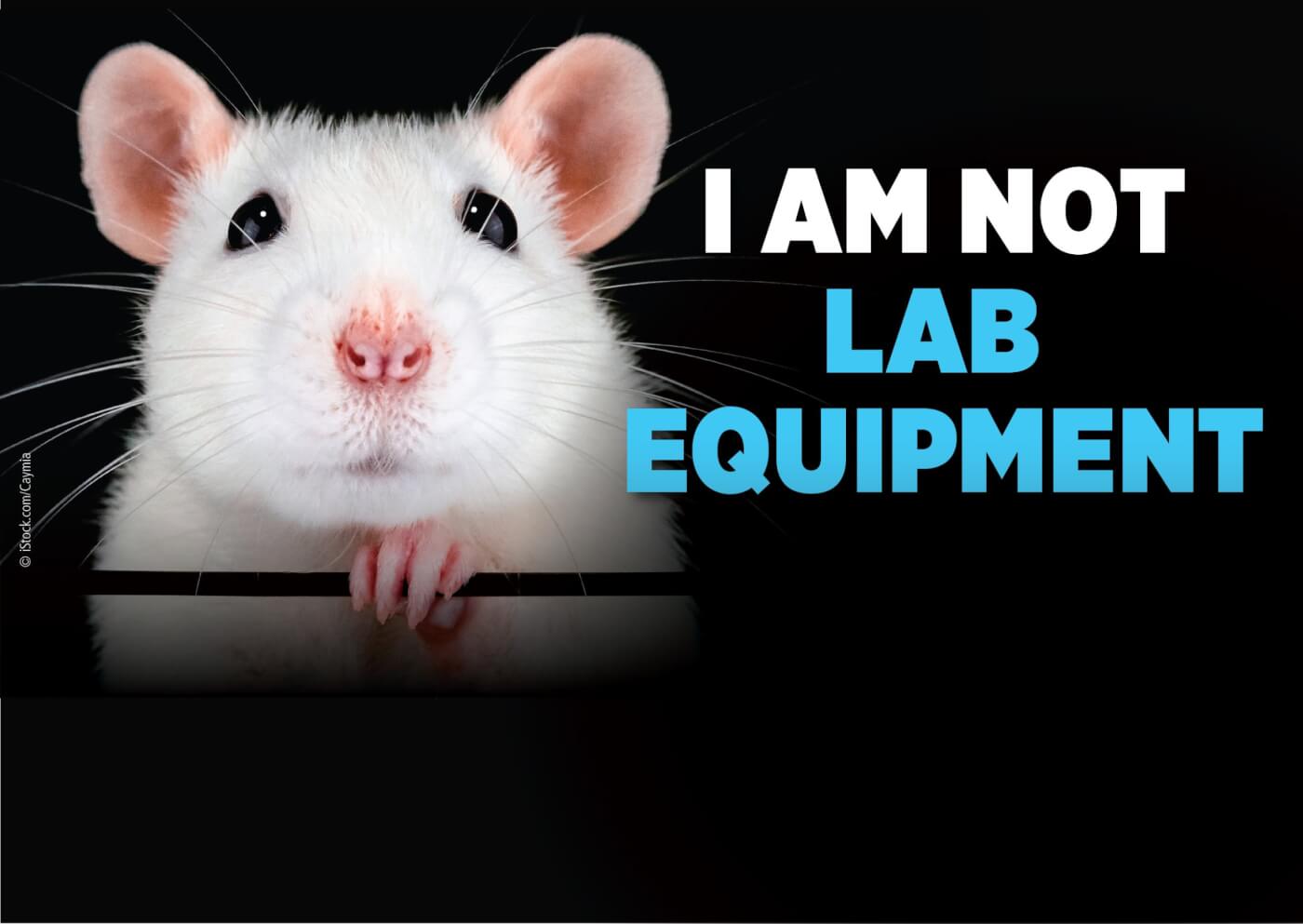
Not Lab Equipment Mouse black background

Keep reading to learn more about why AI and VR represent the future of research—and how these revolutionary forms of technology are already helping both humans and our fellow animals.

Why We Desperately Need to Embrace Modern Research

Our current system is broken. U.S. laboratories waste billions of taxpayer dollars each year to torment and kill millions of animals in cruel, pointless experiments—a majority of which fail to produce relevant or reliable results. Experimenters force animals to inhale toxic fumes, drill holes into their skulls, apply chemicals to their eyes, conduct invasive surgeries on them—and animals who don’t die during the experiments are killed afterward.

The failure rate of these experiments is astounding: 95% of all new drugs that are tested on animals fail in human clinical trials because they don’t work or are too dangerous. Likewise, 90% of basic research, most of which involves animals, never results in any treatment or cure for humans. Yet experimenters attempt to justify the suffering of more animals in laboratories and get funding for even more flawed experiments—and the cycle of abuse and failure continues.

It’s long been clear that we need to replace archaic tests on animals with modern, human-relevant research methods.

What Is AI?

AI uses the extraordinary power of modern computers and robots to mimic and enhance human problem-solving and decision-making capabilities in order to address complicated issues.

Can AI Replace Tests on Animals?

Yes, and it’s already happening. Regulatory agencies require that companies test chemicals, pesticides, pharmaceuticals, and other products before they’re brought to market. Each year, millions of animals are used in these crude and time-consuming tests, most of which were developed decades ago. However, tools are being created using AI that can determine whether medicines and chemicals are safe, with just the stroke of a few keys.

Companies like Smarter Sorting are racing to replace animal testing with computer models, making products safer for humans and saving a lot of money in the process. One animal-replacing computer model alone could save 2.8 million animals and $490 million in testing costs, while generating more reliable data that will protect consumers.

How Can VR Software Be Used in Medicine?

Some medical training programs are embracing advanced human-patient simulation technology powered by VR software that accurately mimics human anatomy. In fact, a number of obstetrics and gynecology (OB/GYN) residency programs now use animal-free training methods.

For example, OB/GYN residents at the renowned Rush University Medical Center in Chicago are now training on a state-of-the-art VR surgical system instead of practicing invasive procedures on live pigs—a victory that PETA helped secure by donating $6,000 toward the purchase of a simulator module.

Can We Trust AI- and VR-Based Research?

The U.S. Food and Drug Administration recognizes that AI will be responsible for ensuring that safe, lifesaving products are available much faster than could ever be achieved by relying on tests on animals.

What YOU Can Do to Push for Modernized Research

Urge Oregon Health & Science University to abandon its cruel, deadly OB/GYN residency training on live pigs and adopt superior, animal-free methods instead:

Take Action

Support PETA’s Research Modernization Deal, which provides a strategy for replacing experiments on animals with modern, human-relevant research:

Support PETA’s RMD

PETA’s Abduction experience highlights the power of VR technology by putting users on the experimentation table. In this terrifying simulated experience touring college campuses across the U.S., students are virtually abducted and subjected to cruel experiments—a nightmare that’s a reality for countless animals who are still imprisoned in laboratories today. Learn more about Abduction:

Check Out ‘Abduction’

The post How AI and VR Are Saving Animals From Experiments appeared first on PETA.

CeeLo Green Finds Out the Dangerous Way: Animals Aren’t Entertainment

Singer-songwriter CeeLo Green’s attempt to make a grand entrance at a birthday party to honor the late Shawty Lo was far from impressive. According to reports, Green fell from a frightened horse who was being used as a prop, and the animal briefly tumbled to the ground. Although neither was seriously injured, the incident could have been much worse. Moreover, these traumatic events can scar horses, who are prey animals that are vulnerable and easily agitated.

Watch the video of CeeLo Green’s party foul:

Animals are not objects to be used for entertainment, nor should they be subjected to loud noises, flashing lights, or other stimuli that could cause them stress, fear, or injuries. Exploiting animals in this way is unethical, and it poses dangers to both the animals and the humans involved.

“It doesn’t take a genius to know that horses don’t belong at a noisy, crowded party, where slippery floors and strobe lights can agitate them. If CeeLo bumped his head, PETA hopes it knocked some sense and compassion into him.”

—Lisa Lange, PETA Senior Vice President

Horses are powerful animals who thrive in a calm and familiar environment. When they’re placed somewhere unfamiliar—such as at a loud, crowded party on a slippery floor—they can become disoriented and act unpredictably, leading to dangerous situations. Event planners and hosts should seek out humane forms of entertainment to make events memorable without exploiting animals.

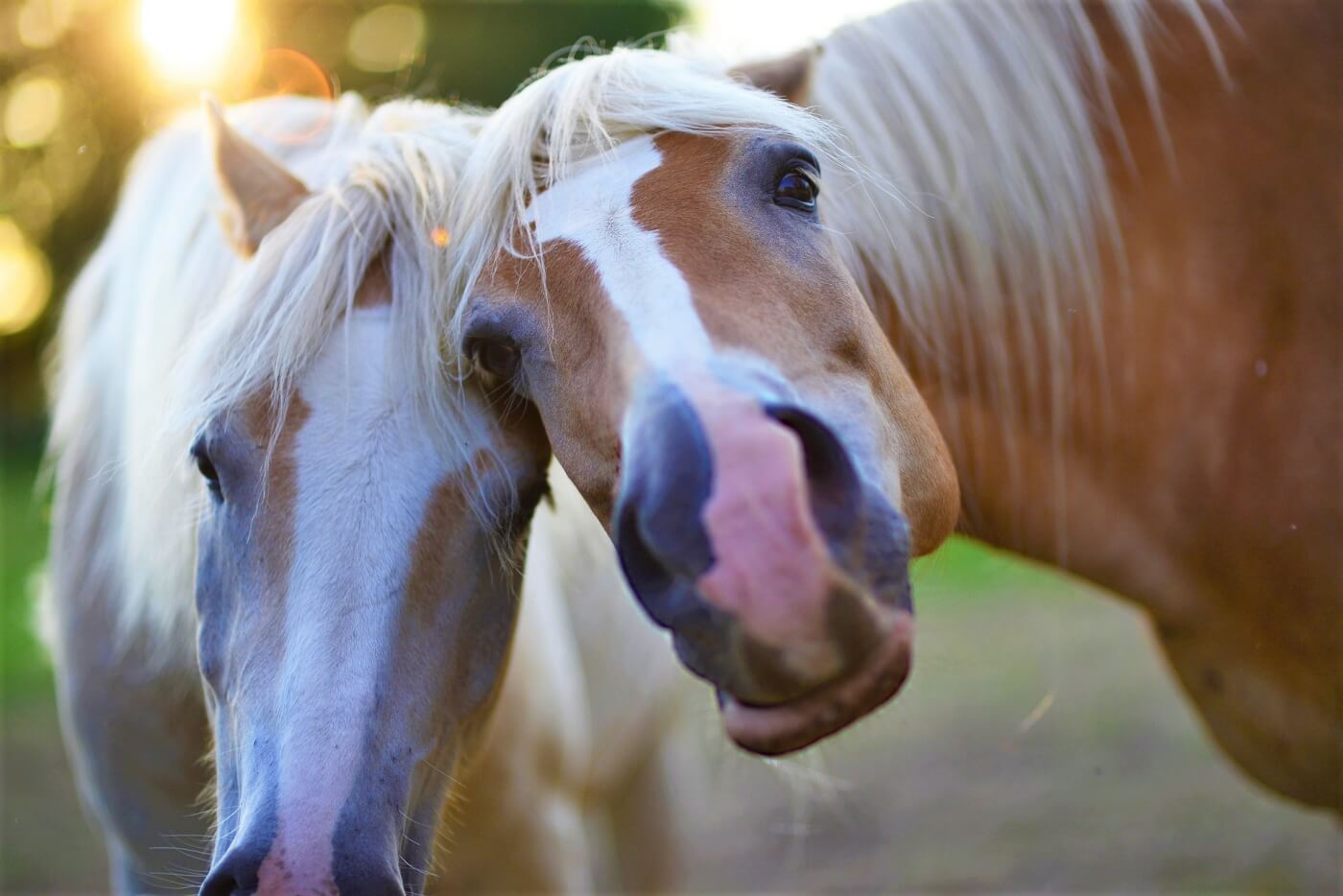
two horses pose for a picture in a safe place unlike the CeeLo Green party

What You Can Do to Help Horses

Right now, countless horses across the U.S. are suffering. These majestic animals are pushed to their physical limits and made to run at breakneck speed in races, they’re forced to pull heavy carriages full of passengers through busy traffic in extreme weather conditions, and thousands are even shipped to foreign countries to be slaughtered for food for dogs and humans every year.

The post CeeLo Green Finds Out the Dangerous Way: Animals Aren’t Entertainment appeared first on PETA.