Nashville native Tricia Lebkuecher, 32, a pregnant mother of one, is home after being arrested during a sit-in at a Whole Foods location in Washington, D.C., on Wednesday—which led to the store’s closing—over the company’s sale of Thai coconut milk. PETA Asia investigations have revealed that monkeys in Thailand are chained and beaten in order to force them to pick coconuts. Lebkuecher joined other PETA supporters wearing monkey masks and prisoner garb in dumping wheelbarrows full of humanelypicked coconuts outside the store before heading inside with posters, sitting on top of check-out counters, and chanting, “Whole Foods, stop abusing monkeys!” for over an hour. She and five other “monkeys” were arrested and charged with unlawful entry.
Photos and video footage of the sit-in are available here and here.
“The day I spent in jail is nothing compared to the lifetime that chained monkeys spend picking coconuts,” says Lebkuecher. “If Whole Foods continues to stock coconut milk tied to forced monkey labor, it can expect pressure from PETA and more public outrage.”
Many monkeys used in Thailand’s coconut-picking industry are abducted from their forest homes as babies. Handlers put metal collars and leashes on them and sometimes remove their canine teeth so they can’t defend themselves. PETA Asia’s investigative footage shows trainers striking them, dangling them by their necks, and whipping them. Because the industry and the Thai government lie about their systemic reliance on monkey labor in an attempt to deceive consumers, it’s impossible to guarantee that any coconut milk from Thailand is cruelty-free.
PETA—whose motto reads, in part, that “animals are not ours to abuse in any way”—opposes speciesism, a human-supremacist worldview. For more information, please visit PETA.org, listen to The PETA Podcast, or follow the group on Twitter, Facebook, or Instagram.
Thirty-one-year-old Weston native Amanda Brody is on her way home after being arrested during a sit-in at a Whole Foods location in Washington, D.C., on Wednesday—which led to the store’s closing—over the company’s sale of Thai coconut milk. PETA Asia investigations have revealed that monkeys in Thailand are chained and beaten in order to force them to pick coconuts. Brody joined other PETA supporters wearing monkey masks and prisoner garb in dumping wheelbarrows full of humanelypicked coconuts outside the store before heading inside with posters, sitting on top of check-out counters, and chanting, “Whole Foods, stop abusing monkeys!” for over an hour. She and five other “monkeys” were arrested and charged with unlawful entry.
Photos and video footage of the sit-in are available here, here, and here.
“The day I spent in jail is nothing compared to the lifetime that chained monkeys spend picking coconuts,” says Brody. “If Whole Foods continues to stock coconut milk tied to forced monkey labor, it can expect pressure from PETA and more public outrage.”
Many monkeys used in Thailand’s coconut-picking industry are abducted from their forest homes as babies. Handlers put metal collars and leashes on them and sometimes remove their canine teeth so they can’t defend themselves. PETA Asia’s investigative footage shows trainers striking them, dangling them by their necks, and whipping them. Because the industry and the Thai government lie about their systemic reliance on monkey labor in an attempt to deceive consumers, it’s impossible to guarantee that any coconut milk from Thailand is cruelty-free.
PETA—whose motto reads, in part, that “animals are not ours to abuse in any way”—opposes speciesism, a human-supremacist worldview. For more information, please visit PETA.org, listen to The PETA Podcast, or follow the group on Twitter, Facebook, or Instagram.
Twenty-six-year-old Waterville resident Celeste Esser is home after being arrested during a sit-in at a Whole Foods store in Washington, D.C., on Wednesday—which led to the store’s closing—over the company’s sale of Thai coconut milk. PETA Asia investigations have revealed that monkeys in Thailand are chained and beaten in order to force them to pick coconuts. Esser joined other PETA supporters wearing monkey masks and prisoner garb in dumping wheelbarrows full of humanelypicked coconuts outside the store before heading inside with posters, sitting on top of check-out counters, and chanting, “Whole Foods, stop abusing monkeys!” for over an hour. She and five other “monkeys” were arrested and charged with unlawful entry.
Photos and video footage of the sit-in are available here and here.
“The day I spent in jail is nothing compared to the lifetime that chained monkeys spend picking coconuts,” says Esser. “If Whole Foods continues to stock coconut milk tied to forced monkey labor, it can expect pressure from PETA and more public outrage.”
Many monkeys used in Thailand’s coconut-picking industry are abducted from their forest homes as babies. Handlers put metal collars and leashes on them and sometimes remove their canine teeth so they can’t defend themselves. PETA Asia’s investigative footage shows trainers striking them, dangling them by their necks, and whipping them. Because the industry and the Thai government lie about their systemic reliance on monkey labor in an attempt to deceive consumers, it’s impossible to guarantee that any coconut milk from Thailand is cruelty-free.
PETA—whose motto reads, in part, that “animals are not ours to abuse in any way”—opposes speciesism, a human-supremacist worldview. For more information, please visit PETA.org, listen to The PETA Podcast, or follow the group on Twitter, Facebook, or Instagram.
Schenectady native Matthew Braun, 36, is home after being arrested during a sit-in at a Whole Foods location in Washington, D.C., on Wednesday—which led to the store’s closing—over the company’s sale of Thai coconut milk. PETA Asia investigations have revealed that monkeys in Thailand are chained and beaten in order to force them to pick coconuts. Braun joined other PETA supporters wearing monkey masks and prisoner garb in dumping wheelbarrows full of humanelypicked coconuts outside the store before heading inside with posters, sitting on top of check-out counters, and chanting, “Whole Foods, stop abusing monkeys!” for over an hour. He and five other “monkeys” were arrested and charged with unlawful entry.
Photos and video footage of the sit-in are available here, here, and here.
“The day I spent in jail is nothing compared to the lifetime that chained monkeys spend picking coconuts,” says Braun. “If Whole Foods continues to stock coconut milk tied to forced monkey labor, it can expect pressure from PETA and more public outrage.”
Many monkeys used in Thailand’s coconut-picking industry are abducted from their forest homes as babies. Handlers put metal collars and leashes on them and sometimes remove their canine teeth so they can’t defend themselves. PETA Asia’s investigative footage shows trainers striking them, dangling them by their necks, and whipping them. Because the industry and the Thai government lie about their systemic reliance on monkey labor in an attempt to deceive consumers, it’s impossible to guarantee that any coconut milk from Thailand is cruelty-free.
PETA—whose motto reads, in part, that “animals are not ours to abuse in any way”—opposes speciesism, a human-supremacist worldview. For more information, please visit PETA.org, listen to The PETA Podcast, or follow the group on Twitter, Facebook, or Instagram.
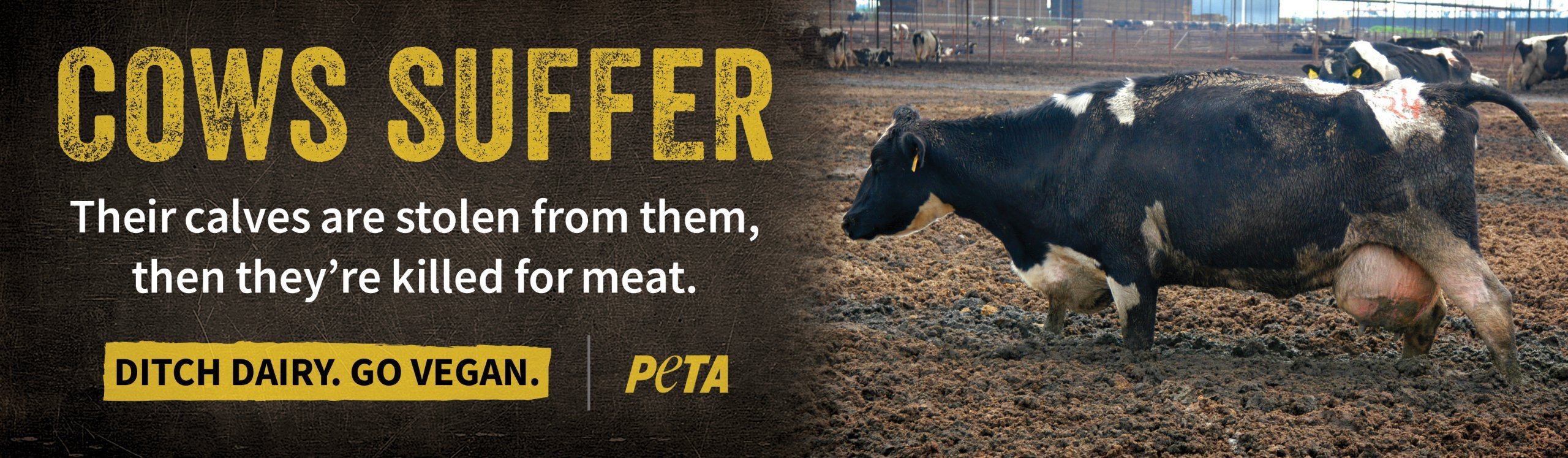
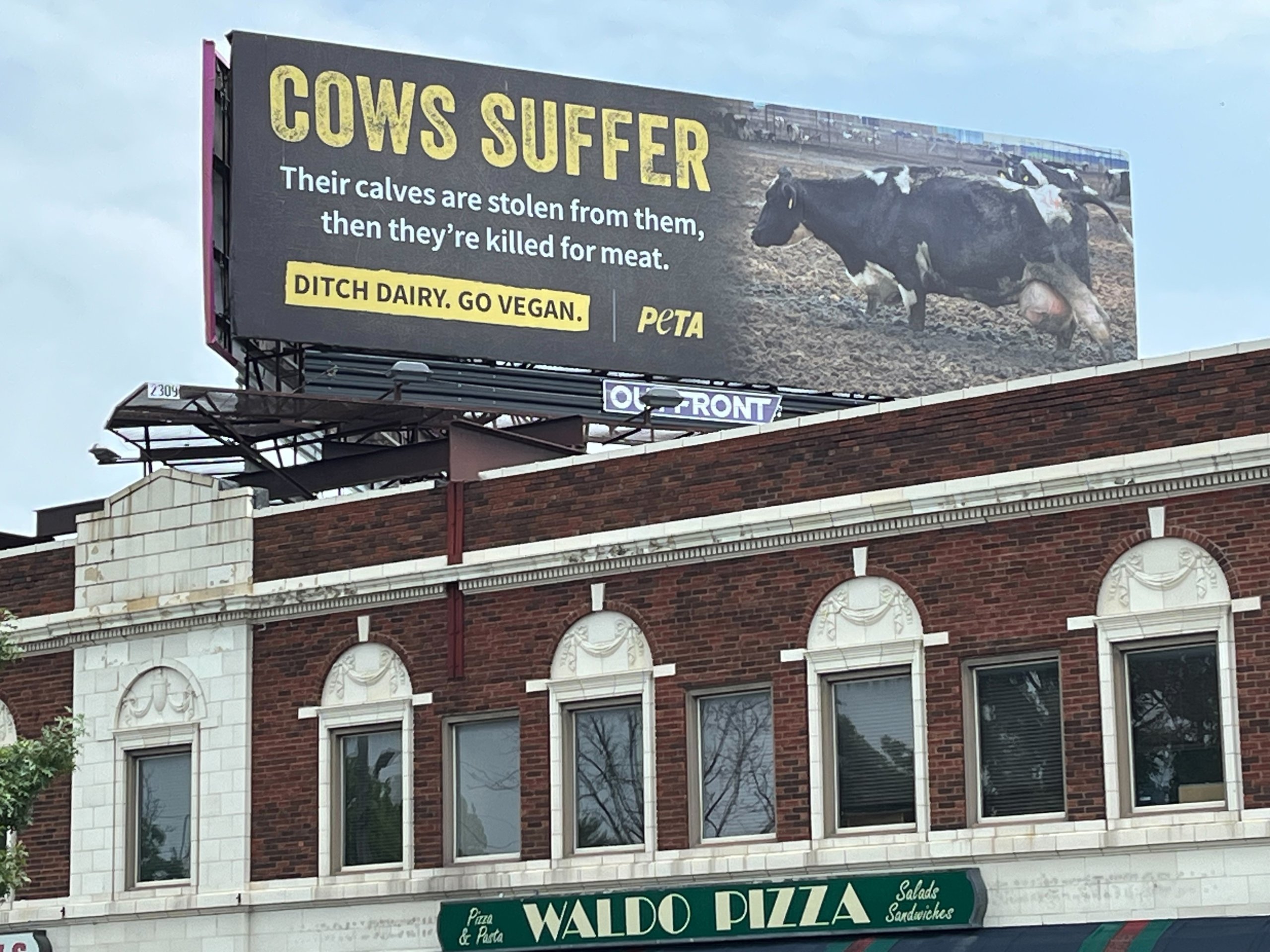
Some interest groups tout June as National Dairy Month, but this year, a giant PETA billboard advocating for cows could help change that. Featuring an image of a cow mired in manure with a swollen udder, the sky-high appeal for animals sits atop Waldo Pizza in Kansas City, Missouri—where it may inspire some diners to opt for a vegan slice.
How PETA’s Ad Exposes Dairy Month as a Sham
PETA’s ad in Kansas City—in place from May 31 through June 26—has an anti-Dairy Month message:
Cows suffer. Their calves are stolen from them,
then they’re killed for meat. Ditch dairy. Go vegan.
Urging everyone to ditch dairy and spare cows a life of suffering, PETA offers free recipes, articles, and resources to show how easy it is to prepare vegan food at home or to find it in restaurants in the City of Fountains and many other places around the country.
Waldo Pizza—located at 7433 Broadway St.—has a vegan menu with plenty of animal-friendly “meat” and “cheese” options. PETA chose to place its ad above the restaurant to show everyone how easy it is to choose foods that are made from plants instead of the flesh or secretions of another species.
PETA’s new ad comes after the University of Copenhagen released a study detailing the dire conditions faced by cows in the dairy industry:
[T]he welfare is worse with cattle in the most common dairy production systems in opposition to cattle in the most common beef production systems.
PETA also posted the billboard in Charleston, West Virginia.
Why Ditching Bovine Milk for Dairy Month and Beyond Is Crucial
If speciesist humans were to choose to end their addiction to bovine mammary secretions, it would help do the following:
Give the environment a better chance amid the climate catastrophe
Why Cows Deserve Respect This Dairy Month
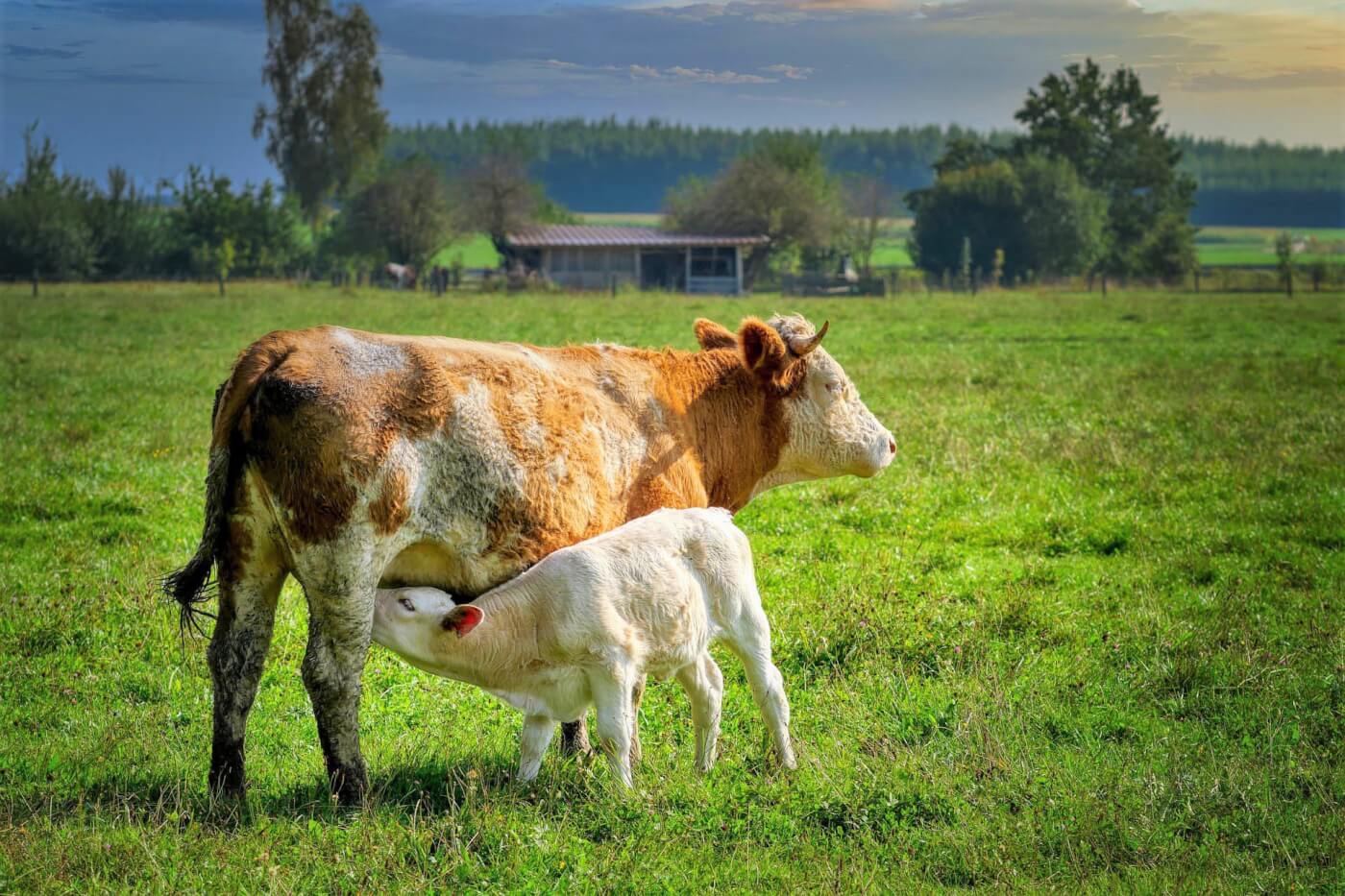
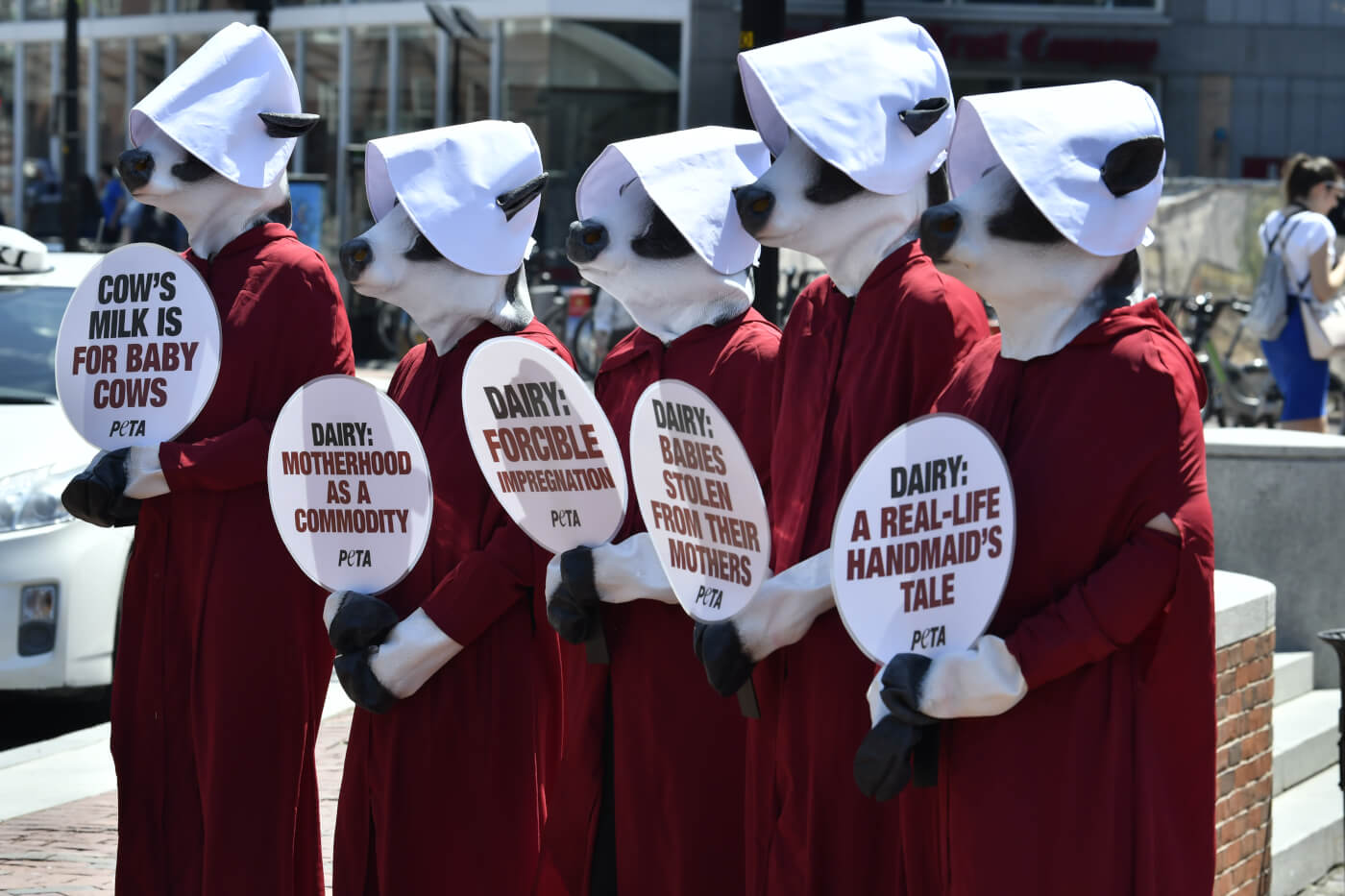
Cows are intelligent, gentle animals who mourn the deaths of those they love and sometimes shed tears over their loss. The mother-calf bond is particularly strong. There are countless reports of mother cows who, once separated from their calves, continue to call and search frantically for their babies, who are sold to veal or beef farms.
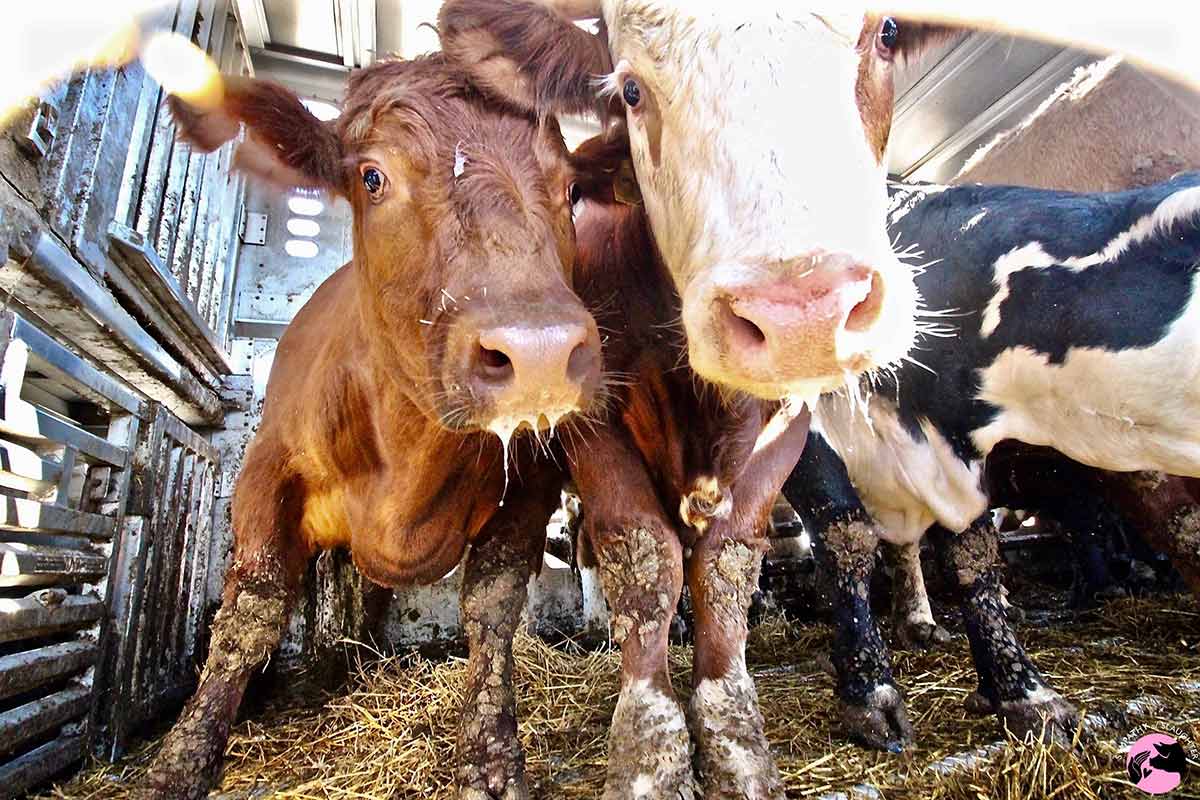
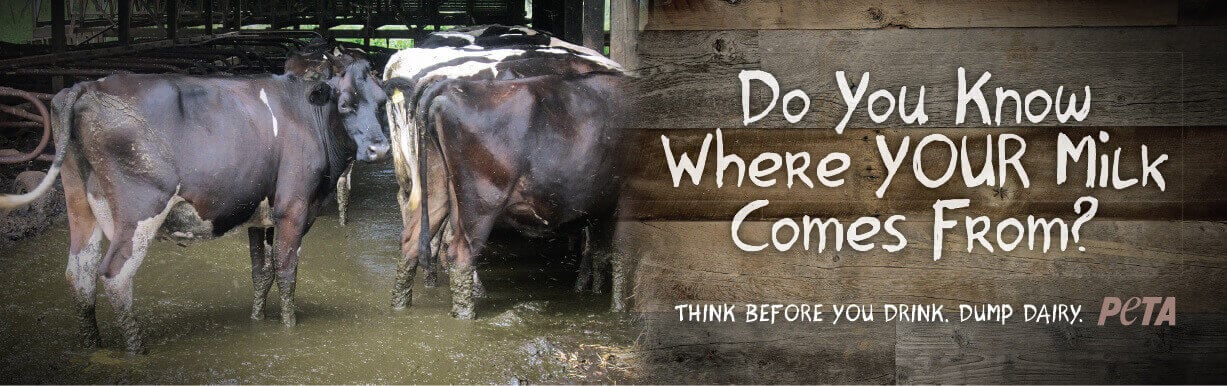
In the dairy industry, workers confine cows amid filth, tear calves away from their mothers within a day of birth, and steal the milk meant to nourish them so companies lacking compassion can sell it to humans. It’s standard industry practice to forcibly and artificially inseminate cows—workers insert an arm into the animals’ rectum and a metal rod to deliver semen into their vagina—and to send them to an agonizing death in a slaughterhouse once their bodies wear out.
PETA’s investigations into dairy facilities have found workers electroshocking cows in the face, hitting them with poles and a cane, and abusing them in other horrific ways.
How Drinking Cow’s Milk Harms Human Health and the Planet
Humans are the only animals who drink milk beyond the age of weaning and who knowingly consume the milk of another species. Consuming bovine mammary secretions can cause a host of health problems, including broken bones, prostate and ovarian cancer, lactose intolerance, and allergies.
Fortunately, the consumption of dairy milk has been declining for years as conscientious consumers turn to healthier and tastier vegan milks. Half of Americans now consume plant-based milks, and one-third of Americans drink them weekly. An estimated 65% of the world’s human population is lactose intolerant.
According to the United Nations, about a third of all human-caused greenhouse gas emissions are linked to food production. The largest percentage of these gases comes from the dairy, meat, and egg industries. The horrific rate at which humans use cows for their mammary secretions—and their flesh for food and leather—is destroying the environment.
The most compassionate, effective, and immediate way to take action against the climate catastrophe is to go vegan. The increased demand for vegan milk from those concerned about the abuse of animals, their own health, and the environment makes this kind choice that much easier.
How You Can Help Cows During National Dairy Month and All Year Long
No animals should suffer so that speciesist humans can steal their babies and their milk. Do your part to leave cows in peace by ditching dairy and opting for delicious vegan milks, cheeses, and yogurts. Start by ordering free vegan starter kits for yourself and some friends: