Because the U.S. Department of Agriculture (USDA) elected not to allow new Miami Seaquarium owner The Dolphin Company to exhibit Lolita the orca (aka “Tokitae”) publicly, the U.S. District Court for the Southern District of Florida has just dismissed a lawsuit filed against the USDA by PETA, the Animal Legal Defense Fund, and Orca Network alleging that the agency’s previous decision to license the Seaquarium was unlawful. However, developments surrounding Lolita’s future are promising.
The USDA had licensed the Seaquarium’s former owner Palace Entertainment to exhibit Lolita, despite the facility keeping her in a tank so small that it fails to meet even the minimum legal size required by the federal Animal Welfare Act (AWA). The tank also offers her no meaningful protection from the sun, and in the past, she has been confined to it with incompatible animals, which are additional apparent violations of the AWA. After years of pressure from PETA, the USDA’s Office of Inspector General finally admitted in 2017 that the agency “has allowed [Lolita] to be kept in an enclosure which may not meet all space requirements defined by the agency’s AWA regulations” and “may deny the resident orca sufficient space for adequate freedom of movement.”
After Palace sold the Seaquarium to The Dolphin Company last year, the USDA licensed the rest of the facility for public exhibit but not Lolita and her tank—making PETA’s lawsuit moot and helping to pave the way for The Dolphin Company, Friends of Toki, and philanthropist Jim Irsay’s announced plan to transfer Lolita to a seaside sanctuary in the Pacific Northwest, which was PETA’s ultimate goal.
“The USDA should never have signed off on the Miami Seaquarium confining a 20-foot ocean-going orca to what for her was the equivalent of a kiddie pool,” says PETA Foundation General Counsel for Animal Law Jared Goodman. “PETA looks forward to Lolita’s move to her home waters and urges everyone to steer clear of all roadside zoos and aquariums that exploit animals for entertainment.”
PETA—whose motto reads, in part, that “animals are not ours to use for entertainment or abuse in any other way”—opposes speciesism, a human-supremacist worldview. For more information, please visit PETA.org, listen to The PETA Podcast, or follow the group on Twitter, Facebook, or Instagram.
PETA supporters will be serving up some food for thought at this year’s Nathan’s Famous Hot Dog Eating Contest by displaying a “grilled” human on a hot dog bun. The spicy spectacle will serve as a reminder that cows feel pain and terror just as humans do—and that Nathan’s needs to ketchup with the times and make its gluttonous game vegan.
When: Tuesday, July 4, 12 noon
Where: Outside Nathan’s Famous, 1310 Surf Ave. (at the southwest corner of Surf and Stillwell avenues), Brooklyn
“Let’s be frank: Nathan’s hot dogs are bad for humans and even worse for cows, who are branded, castrated, and confined to filthy feedlots before they’re killed,” says PETA Executive Vice President Tracy Reiman. “PETA invites everyone to support liberty and justice for all this Fourth of July by tossing a delicious vegan dog on the grill instead.”
PETA—whose motto reads, in part, that “animals are not ours to eat”—opposes speciesism, a human-supremacist worldview, and offers a free vegan starter kit for anyone looking to make the switch.
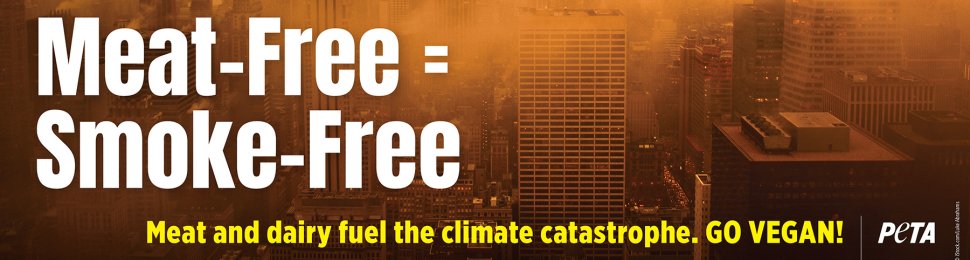
As Canadian wildfire smoke pollutes the Eastern and Midwestern portions of the U.S., please see the following statement from PETA Executive Vice President Tracy Reiman and a new PETA billboard reading, “Meat-Free = Smoke-Free,” which is hitting Rochester and other cities across the country as a reminder that wildfires are largely driven by animal agriculture:
Where there’s smoke, there’s fire, and in this case, no one should ignore how animal agriculture’s greenhouse gas emissions fuel the climate catastrophe and create conditions that let wildfires spread. PETA urges everyone to take personal responsibility for the crisis in Canada by keeping animals off our plates and opting for planet-friendly vegan foods that keep skies clear.
According to the United Nations, about a third of all human-caused greenhouse gas emissions are linked to food production and the largest percentage of these emissions come from the meat and dairy industries.
PETA—whose motto reads, in part, that “animals are not ours to eat” and which opposes speciesism, a human-supremacist worldview—offers a free vegan starter kit on its website For more information, please visit PETA.org, listen to The PETA Podcast, or follow the group on Twitter, Facebook, or Instagram.
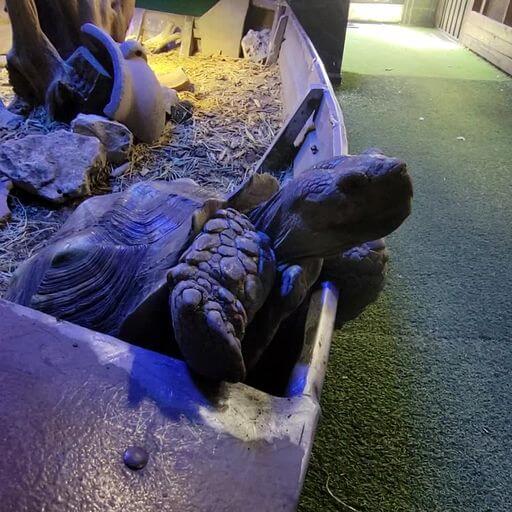
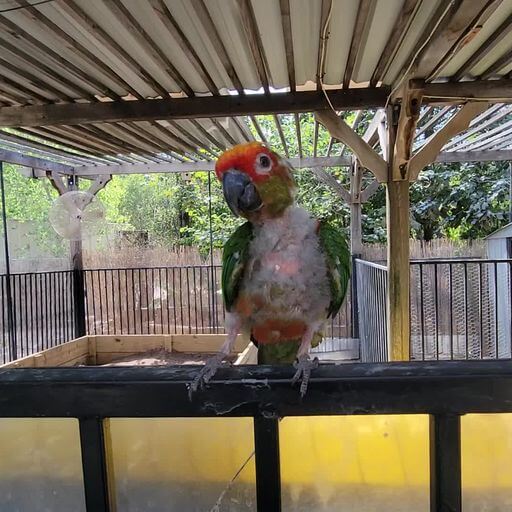
The history of troubling animal welfare and public safety issues at San Antonio Aquarium in Texas is an ever-growing disgrace, prompting PETA supporters to take action for animals held there. Apparently run by convicted wildlife trafficker Ammon Covino, this shipwreck of a business has racked up multiple citations from the U.S. Department of Agriculture (USDA) over its failure to meet the minimal care standards established by the federal Animal Welfare Act.
The citations given to San Antonio Aquarium are further proof that exploiting animals for entertainment is cruel. And it’s not just other species who are suffering there—human staff and visitors are at risk, too.
San Antonio Aquarium Racks Up USDA Citations
The series of citations the USDA has slapped San Antonio Aquarium with over the years illustrates why this sordid facility must go animal-free. Alternatives to the aquarium’s current practices could include adding virtual reality displays and focusing on other amusement activities—like arcades and bounce houses—that don’t hurt animals. San Antonio Aquarium has yet to make the compassionate switch.
April 11, 2023:Cited! The feds found multiple enclosures at San Antonio Aquarium in disrepair and with injury risks, including the following:
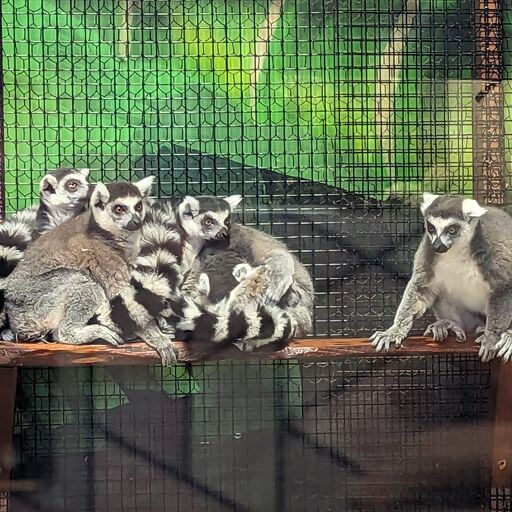
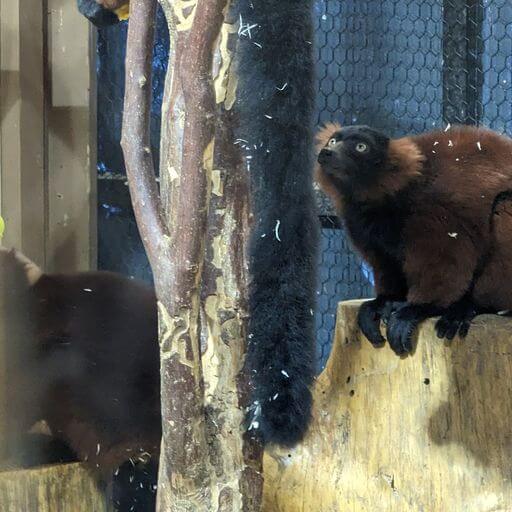
Frayed rope in a red ruffed lemur enclosure that could entangle the animals
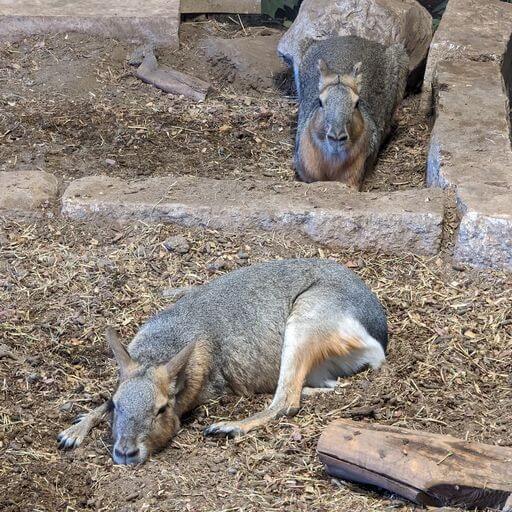
Splintered wood in a kangaroo and Patagonian cavy enclosure
Paint peeling, which would prevent proper sanitation, on the floor of a kinkajou enclosure
July 20, 2022:Cited! San Antonio Aquarium didn’t have auxiliary ventilation for the rabbit enclosure or a contingency plan for heating, ventilation, and air conditioning (HVAC) system failure. The HVAC wasn’t working properly, and the temperature near the rabbit enclosure rose to a sweltering 89 degrees—hot enough to risk heatstroke in the animals housed there. The feds also issued a citation to the aquarium for failing to house two juvenile kangaroos in a dedicated enclosure. The kangaroos hung in pouches on wall hooks in the animal-care staff office, which also had electrical cords, tools, and other supplies on the floor. These items posed a risk of injury to the animals.
November 4, 2020:Cited! San Antonio Aquarium failed to keep the shelter box for a woodchuck in good repair, which posed a risk of injury to the animal.
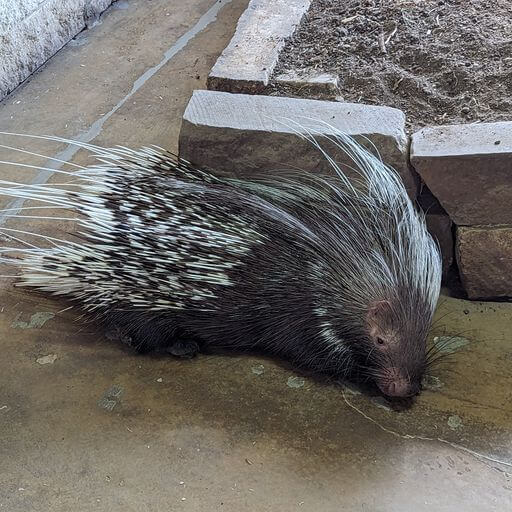
July 22, 2019:Cited! San Antonio Aquarium failed to have an effective barrier for an enclosure confining an armadillo and an African crested porcupine.
October 24, 2018:Cited! Several incidents occurred in which lemurs bit or scratched customers during interactive encounters. A lemur scratched a boy’s arm and then “jumped on [his] head, grabbing him aggressively.”
San Antonio Aquarium Was Shut Down—Twice
In addition to issuing the above citations, Texas authorities have even shut down San Antonio Aquarium—on two separate occasions—before letting it reopen.
March 21, 2020: Police reportedly shut down San Antonio Aquarium after the owner refused to close during the COVID-19 pandemic. Local officials ordered the facility to close immediately after police arrived on March 21. Visitors and non-essential employees were eventually removed.
November 28, 2018: The Leon Valley Fire Department reportedly had San Antonio Aquarium evacuated and shut down after multiple safety hazards were discovered during a routine fire inspection. The aquarium reopened on December 8, 2018.
The Notorious Covino Family
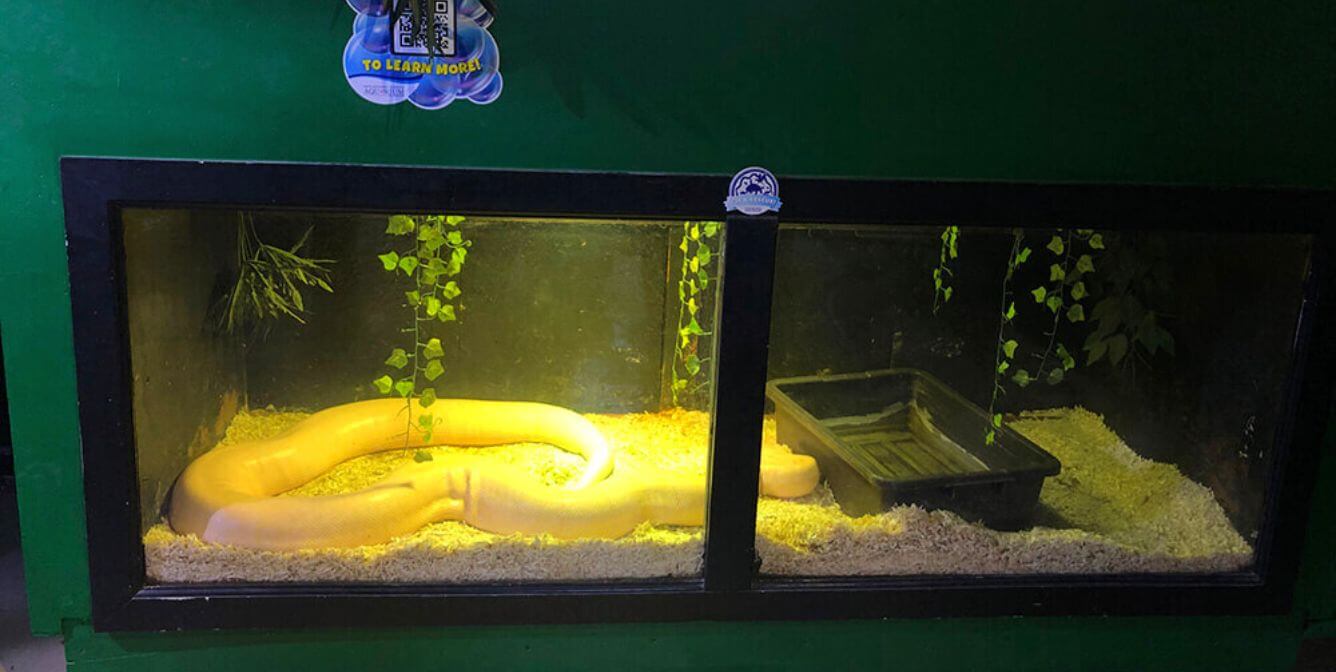
The Covinos are notorious for locking animals up in shockingly tiny exhibits. Although Burmese pythons can reach up to 23 feet in length, San Antonio Aquarium confines them to exhibits too small for them to stretch out fully. Experts stress that a snake’s opportunity to engage in natural behavior—such as stretching out to their full length—is “essential and fundamental to snake health and welfare.” Blatantly risking animals’ lives by continually using them as entertainment props and then shutting them away in inadequate enclosures is an egregious example of speciesism.
In addition to San Antonio Aquarium, Ammon Covino evidently runs the sleazy Austin Aquarium—which PETA investigated in 2022—and the Houston Interactive Aquarium & Animal Preserve. At Austin Aquarium, PETA’s undercover investigation found injured animals left to languish without veterinary care, workers talking about animals they had abandoned, and staff admitting to lying to medical professionals about animal bites.
The law prohibits Covino from holding a USDA exhibitor’s license because of his criminal history, but he appears to have continued his involvement in these sordid aquariums by using his wife’s name on official paperwork.
Covino’s brother, Vince, owns the disreputable roadside aquarium chain SeaQuest. The siblings have collaborated on other shady aquariums, including the now-defunct Portland Aquarium. The greedy Covino family must stop perpetually exploiting living, feeling beings.
How You Can Help Get San Antonio Aquarium to Go Animal-Free
Respect animals by never visiting roadside zoos or other exploitative exhibits—and remember: Animals andhumans get hurt at these sordid hellholes. Fortunately, PETA supporters like you are leading the way by taking action to urge San Antonio Aquarium to go animal-free. PETA is calling on everyone to shun this shady establishment and any other abusive facility.
Meanwhile, help convince the Covinos to focus on animal-free entertainment and transfer the animals at San Antonio Aquarium to reputable facilities: