Satellite image of Ibu volcano on 30 Oct 2025
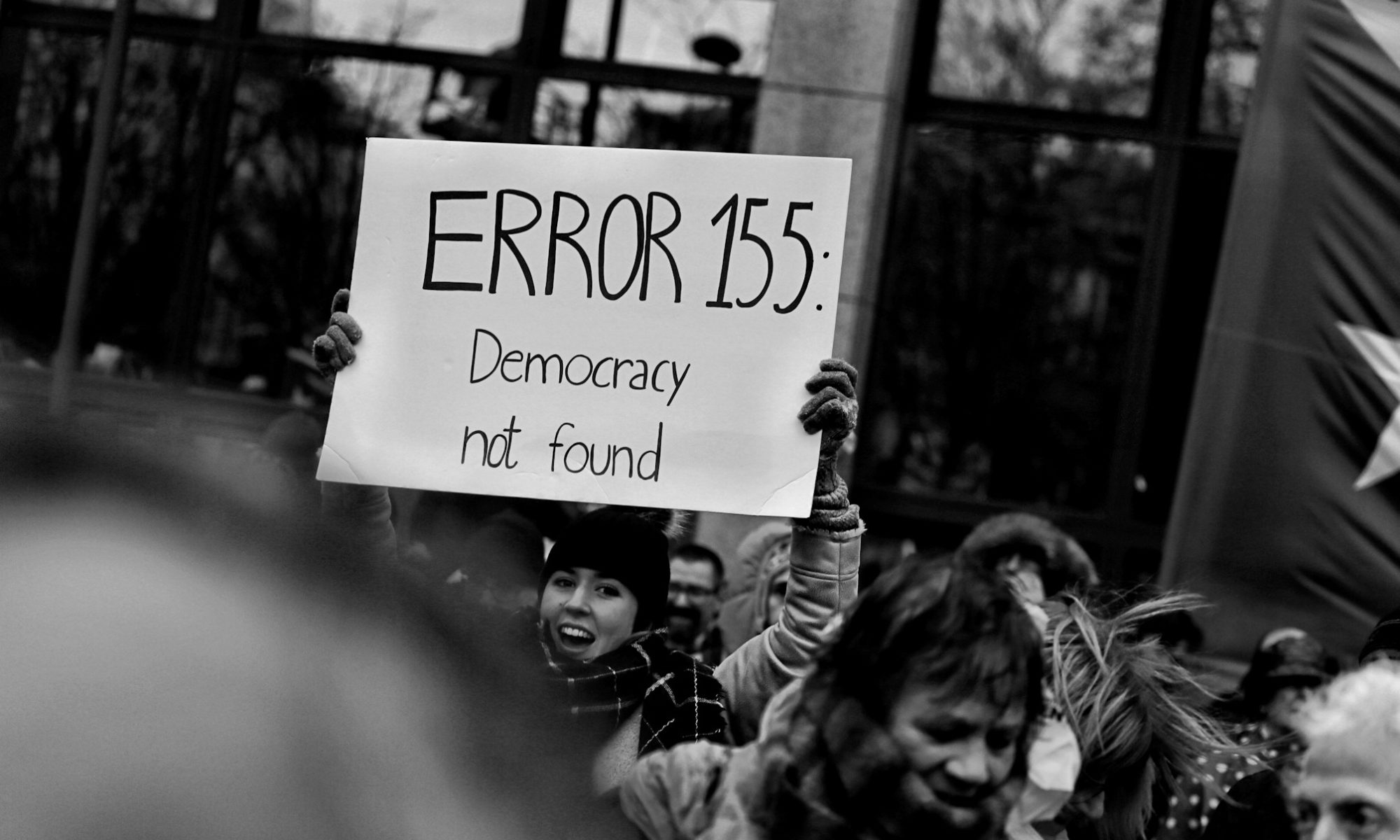
respect nature & human rights
Ahead of the trial of prominent lawyer and human rights defender Ahmed Souab starting on 31October in Tunis, Heba Morayef, Regional Director for the Middle East and North Africa at Amnesty International, said:
“Ahmed Souab is facing unfounded charges that carry heavy prison sentences, including ‘forming a terrorist organization’ and ‘spreading fake news,’ solely for peacefully exercising his right to freedom of expression and carrying out his professional duties as a human rights lawyer. His arrest and subsequent prosecution are in retaliation for his criticism of the lack of due process and independence of the court regarding the ‘conspiracy case’ in which he was representing three defendants.
Ahmed Souab should never have been detained in the first place, let alone be prosecuted.
Heba Morayef
“Ahmed Souab should never have been detained in the first place, let alone be prosecuted. His case is a chilling example of the Tunisian authorities’ broader authoritarian practices to target critics, lawyers, and human rights defenders who dare to speak out against persistent violations of judicial independence and the rule of law and executive overreach. Authorities are using bogus “terrorism” charges as a pretext to crackdown on peaceful dissent and severely restrict the right to a fair trial and create a pervasive climate of fear. This travesty of justice must stop.
“The Tunisian authorities must immediately and unconditionally release Ahmed Souab and drop all the baseless charges against him. They must uphold their international human rights obligations and cease the targeting of lawyers for defending their clients or criticizing the judiciary. Authorities must uphold the rule of law including judicial independence and allow lawyers to freely carry out their professional functions without any harassment, intimidation or improper interference.”
Ahmed Souab is a prominent Tunisian lawyer and human rights defender known for his outspoken criticism of violations of fair trial rights and executive interference with judicial independence, particularly under President Kais Saied’s administration. He previously served as a judge at the Administrative Court and has been a vocal critic of the dismantling of the rule of law following President Saied’s July 2021 power grab.
Souab has represented several high-profile victims of human rights violations, including political opposition and activists in the “conspiracy case,” the highest-profile example of the broader authoritarian practices including crackdown on political opposition and the erosion of judicial independence and the rule of law in Tunisia. On 19 April, a Tunis criminal court sentenced 37 individuals including prominent political opposition figures, lawyers, and human rights defenders, to harsh prison terms ranging between four and 74 years on unfounded “conspiracy” charges. The defendants have been convicted solely for the peaceful exercise of their human rights. Their trial has been riddled with procedural and substantive violations and a blatant disregard of defense rights and was based on unsubstantiated charges.
Ahmed Souab’s hearing will be held without his physical presence as the court extended its decision to hold terrorism trials remotely citing a vague “imminent danger.” Souab is refusing to attend his court hearing remotely and insists on being physically present during his trial in order to defend himself. There is no justification to deny detainees their right to be brought physically before the court to challenge the lawfulness of their detention. Denying the detainees this right is also incompatible with the requirements of respect for due process law, as for example, it undermines the ability of the detainees to effectively participate in and follow the proceedings and to be heard without technical impediments. Such a denial is incompatible with the principles of due process guaranteed under both Article 7 of the African Charter on Human and Peoples’ Rights and Article 9 of the International Covenant on Civil and Political Rights, to which Tunisia is a State Party.
Souab’s arrest on 21 April 2025 came just two days after he spoke at a press conference criticizing the lack of fair trial in the “conspiracy case,” in his capacity as defense lawyer for 3 of the defendants. Following his arrest, authorities held him in incommunicado for detention 48 hours before his pre-trial detention was ordered. Amnesty International has documented a concerning pattern of the misuse of counter-terrorism laws to crackdown on peaceful dissent and a growing trend of targeting lawyers representing activists and political opposition groups in Tunisia.
For instance, lawyer Dalila Msaddak faces trial on 25 November 2025 with journalist Borhene Bsaies for comments made on his TV show two years ago defending her clients detained in the notorious “conspiracy case”. In the November 2023 interview, Msaddak said the charges against her clients were unfounded and the case was “fabricated.” Two days later, prosecutors opened an investigation against Msaddak and Bsaies under Decree-Law 54 accusing them of spreading “false news,” and then referred them to trial.
Tunisian authorities have the legal obligations including under Article 7 of the African Charter on Human and Peoples’ Rights and Article 14 of the International Covenant on Civil and Political Rights to which the country is a state party to ensure the right to a fair trial includes the right to be defended by counsel of one’s choosing.
Similarly, under Principle 16 of the UN Basic Principles on the Role of Lawyers, lawyers “shall not suffer, or be threatened with, prosecution or administrative, economic or other sanctions for any action taken in accordance with recognized professional duties, standards and ethics.” Principle 20 provides that, “lawyers shall enjoy civil and penal immunity for relevant statements made in good faith in written or oral pleadings or in their professional appearances before a court.”
The post Tunisia: Authorities must immediately release detained lawyer Ahmed Souab appeared first on Amnesty International.
Climate change is getting worse and so are the threats it poses to human rights. The right to adequate housing is being violated on a massive scale, as homes, particularly those in informal settlements, are destroyed by the effects of climate change.
For example, South Africa has experienced devastating extreme weather and flooding over the past few years. People living in informal settlements – which are often built in low-lying, flood prone areas – are among the worst affected . These residents already face the challenges of living in poverty and a lack of access to essential services. Now they must confront additional threats to their human rights posed by climate change.
States have human rights obligations, which means they have the duty to upgrade informal settlements to help realize the right to housing. However, in many cases, this duty is not being met. It’s up to us to speak out and hold governments accountable.
Informal settlements are residential areas where people do not have secure tenure over the land or housing they occupy. These homes are not legally recognized, which puts residents at higher risk of forced evictions. They also have limited or no access to essential services and infrastructure, including access to water, sanitation, waste collection, street lighting, electricity, playgrounds, schools, healthcare centres and open green spaces.
Housing in informal settlements is usually inadequate and might not comply with planning and building regulations. Homes are often made of corrugated metal sheets, or lightweight panels made from wood and other recycled materials.
Informal settlements are often situated in hazardous areas, like wetlands, and have poor soil conditions. It can be difficult for emergency vehicles to access these areas because of where they are located and how they are built. Often living in poverty, residents of informal settlements are highly vulnerable to homelessness if their homes are destroyed.
In 2022, 1.1 billion people – almost a quarter of the world’s urban population – were living in informal settlements. This number is expected to triple within 30 years.
There is not enough affordable formal housing to meet the population’s needs. This means many people must find other places to live which exist outside planning and building regulations. To many, informal settlements are the only affordable means of living close to work opportunities.
Informal settlements lay bare the failure of governments to guarantee adequate and affordable housing. They are a product of poverty and discrimination that exclude people from formal housing. People living in informal settlements are sometimes victims of past and present segregation. Informal settlements are therefore spaces where people facing racial and/or socio-economic discrimination are often concentrated. Informal settlements are also home to migrants, internally displaced people and refugees.
Many informal settlements have been around for decades and provide shelter, opportunity and collective support to people living in poverty in cities. Despite the challenges – their worsening living conditions, neglect from the authorities, discrimination and stigmatization – residents in these neighbourhoods have created spaces that foster strong social bonds and economic activity.
The UN Special Rapporteur on the Right to Housing has highlighted that the living conditions in informal settlements are one of the most pervasive and widespread violations of human rights globally.
The living conditions of different informal settlements around the world may vary. Most people living in these areas don’t have adequate access to clean drinking water, plumbing or electricity. There also isn’t adequate waste collection, creating huge sanitation and hygiene problems impacting the right to health.
Some people have to walk long distances to use the toilet or bathe. Many living in informal settlements only have access to communal toilets and bathing facilities, shared by multiple households. These facilities are unclean, lack proper drainage and are often broken.
Informal settlements are overcrowded and unplanned. They often lack tarred roads, making them inaccessible to emergency vehicles.
While all residents are impacted by the lack of adequate housing and essential services, the suffering is borne disproportionately by groups at risk of multiple and intersectional forms of discrimination.
For example, women and girls are particularly affected by a lack of adequate access to sanitation facilities for toilets and bathing. Women have additional physical needs compared to men – for example, related to menstruation – and have a greater need for privacy when using toilets and when bathing. Inadequate and inaccessible toilets and bathrooms, as well as the general lack of effective policing within settlements, makes women even more vulnerable to crime and gender-based violence.
The lack of access to essential services is also particularly difficult for children, older people and people with disabilities, especially those who have limited mobility.
Due to poverty and inequality in access to essential services, residents of informal settlements are also disproportionately vulnerable to extreme weather events made worse by climate change.
In rare cases, homes in informal settlements are made of bricks and mortar. But for most people, homes are made of corrugated metal sheets, light-weight wooden panels or other recycled material, assembled out of necessity, not choice. These materials do not provide sufficient protection from heavy rain, extreme heat or high-speed winds. Living in informal settlements also means having to contend with waterlogging and flooding, due to a lack of proper drainage.
States have a duty to take concrete steps to ensure that residents of informal settlements can also enjoy the rights to housing, water and sanitation. They have a duty to use the maximum of available resources, both financial and technical, to fulfil these rights.
This includes the duty to:
Informal settlements are often located in environmentally high-risk zones including flood plains and low-lying areas. This is because these are the only areas available for people to set up their homes.
Added to this, informal settlements and other underserved areas do not have infrastructure like embankments that can stop rivers from overflowing, and drainage systems that can channel water away from the area. Failure to regularly collect and dispose waste in informal settlements also sometimes blocks the natural flow of the water leading to flooding and waterlogging.
For these reasons, informal settlements are disproportionately impacted by flooding when rivers and streams overflow but also when there is heavy rain and there is no way for the water to flow away from the area.
When floods hit these areas, residents not only lose their homes, but also their livelihoods. Many of them have to sacrifice their income, forfeiting their daily wage work to stay back and salvage their belongings, clean their homes and repair the damage. Missing work means missing out on critical income.
Flooded pathways in settlements can sometimes make it difficult for people to leave their homes. Depending on how severe the floods are, residents may be required to relocate temporarily.
Residents also often lack sufficient savings or other assets. In the absence of robust social protection measures such as unemployment or pension payments, coping with disasters including floods is very difficult for them.
Human-induced climate change, caused mainly by the burning of fossil fuels, like coal, oil, and gas, leads to extreme weather events. This includes more frequent and more intense floods, heatwaves, wildfires, cyclones and storms which can devastate lives and livelihoods. While not every flood is the result of climate change, with the continuing climate crisis, floods are only going to get worse and happen more frequently.
For example, World Weather Attribution, a group of researchers and scientists from key institutions around the world quantifying how climate change influences the intensity and likelihood of extreme weather events, found that the 2022 floods in KwaZulu-Natal and eastern South Africa were a result of record-breaking rainfall. They further concluded that, “… the probability of an event such as the rainfall that resulted in this disaster has approximately doubled due to human-induced climate change. The intensity of the current event has increased by 4-8%.”
States can uphold their human rights commitments by providing the necessary resources and policies to upgrade the infrastructure around informal settlements. These upgrades should do more than just fix or replace existing infrastructure. They should aim to tackle the root causes of the problems faced by those living in informal settlements and be designed to allow the full enjoyment of residents’ human rights.
When possible, this upgrade work should be carried out in a way that doesn’t require residents to leave their homes. Relocation to an area nearby should be considered as a last resort and carried out in full compliance with international human rights safeguards against forced evictions, including genuine consultation and adequate notice.
Upgrading of informal settlements should always be carried out with the active participation of the affected people and should build in strong accountability mechanisms to ensure timely implementation.
A holistic upgrading of an informal settlement should provide residents with security of tenure – legal protections to prevent people from being arbitrarily or forcibly evicted – of the land they live on. It should also include the building and provision of public structures and services such as water pipelines, sanitation systems, electricity connections, street lighting, paved roads and waste collection; and structural improvements to housing so that it is safe and habitable.
Upgrading also includes measures to support access to other essential services such as schools, health centres and, places of work, including by improving transport connections; and constructing or improving communal facilities such as playgrounds and community centres.
With the ongoing climate crisis, it is important that upgrading of informal settlements builds in climate change adaptation measures to protect residents from the impacts of disasters.
These measures must not only address current risks but also ensure future proofing against the likelihood of worsening conditions in the coming years. In the case of flooding, these measures include functioning storm water and other drainage systems, roads, electricity, and improved sanitation. Nature based solutions such as restoration of wetlands and, reducing erosion through planting trees are also important. Adaptation measures must be suitable in the local context and planned and implemented with the involvement of the local community.
We should raise our voices and seek accountability from our governments at the local, provincial and national levels for their failure to provide sufficient stock of truly affordable housing.
We should call on governments to commit to upgrading informal settlements in a manner that complies with human rights standards, including through budgetary and policy commitments.
We should call on all states in a position to do so to complement existing climate justice initiatives, including massively scaled up financial and other support for adaptation and mitigation, just transition and loss and damage, so that people, including those living in informal settlements are able to enjoy their human rights. Wealthier states that have contributed the most historically to carbon emissions have a particular responsibility to assist others to adapt and address loss and damage.
Learn about economic, social and cultural rights like the rights to social security, housing, work, water, food, education and health. The course also teaches you how to take action to protect these rights.
The post How do we protect the right to housing amid the growing threat of climate change? appeared first on Amnesty International.
